
- 2026-06-08 12:00:00
- admin
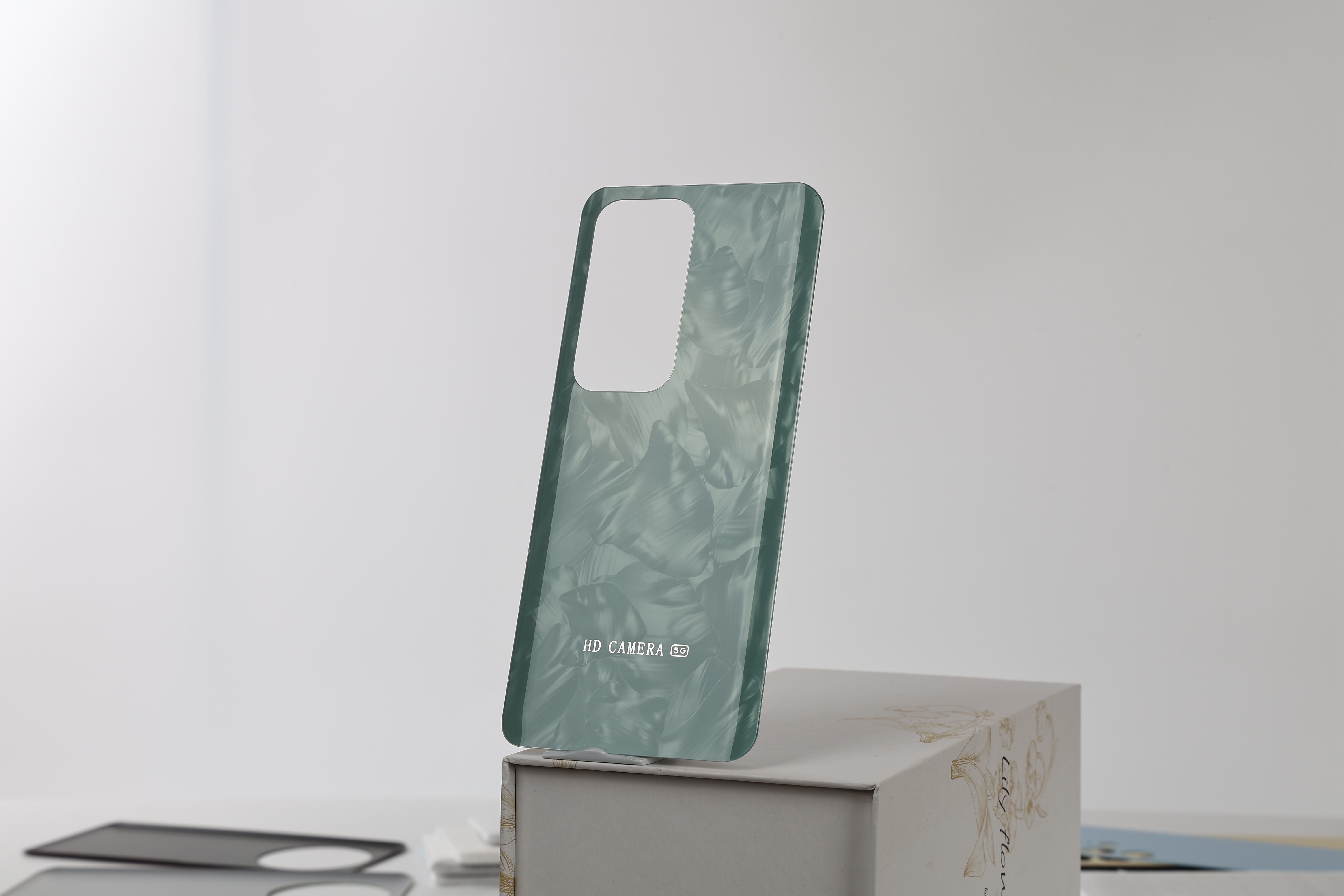
A comprehensive guide for global electronics brands to navigate the complexities of high-end glass and composite material engineering in the modern smartphone industry.
Driving Brand Excellence through Precision Manufacturing
In today's hyper-competitive mobile electronics market, the aesthetic appeal and structural integrity of a device are paramount. As smartphones evolve into luxury items, the demand for sophisticated custom phone back cover Manufacturing has reached an all-time high. Manufacturers are no longer just looking for protection; they are seeking a fusion of tactile elegance, durability, and brand-defining design.
At tenwinglass, we understand that the back cover is the most visible canvas for your brand's identity. Whether it is the sleek touch of AG glass back covers or the extreme durability of 9H tempered glass, the manufacturing process dictates the final user experience. This guide provides a strategic deep dive into how professional-grade covers are conceptualized, engineered, and mass-produced.
Foundational Knowledge: Understanding Material Science
Before diving into the production line, it is essential to categorize the materials that dominate the high-end market:
- Aluminosilicate Glass: Known for superior scratch resistance and impact strength, often used in premium porous glass back covers.
- AG (Anti-Glare) Glass: Etched glass that provides a matte finish, reducing fingerprints and reflections.
- TPU and PC Composites: Flexible yet rigid materials for hybrid cases that balance weight and cost.
The Step-by-Step Custom Phone Back Cover Manufacturing Workflow
Step 1: Engineering Design and Prototyping
Every project begins with a blueprint. Using high-precision CAD software, tenwinglass engineers map out the exact dimensions, including camera lens holes, sensor cutouts, and button alignment. This phase is crucial for ensuring one-piece glass back cover integrity.
Step 2: CNC Cutting and Processing
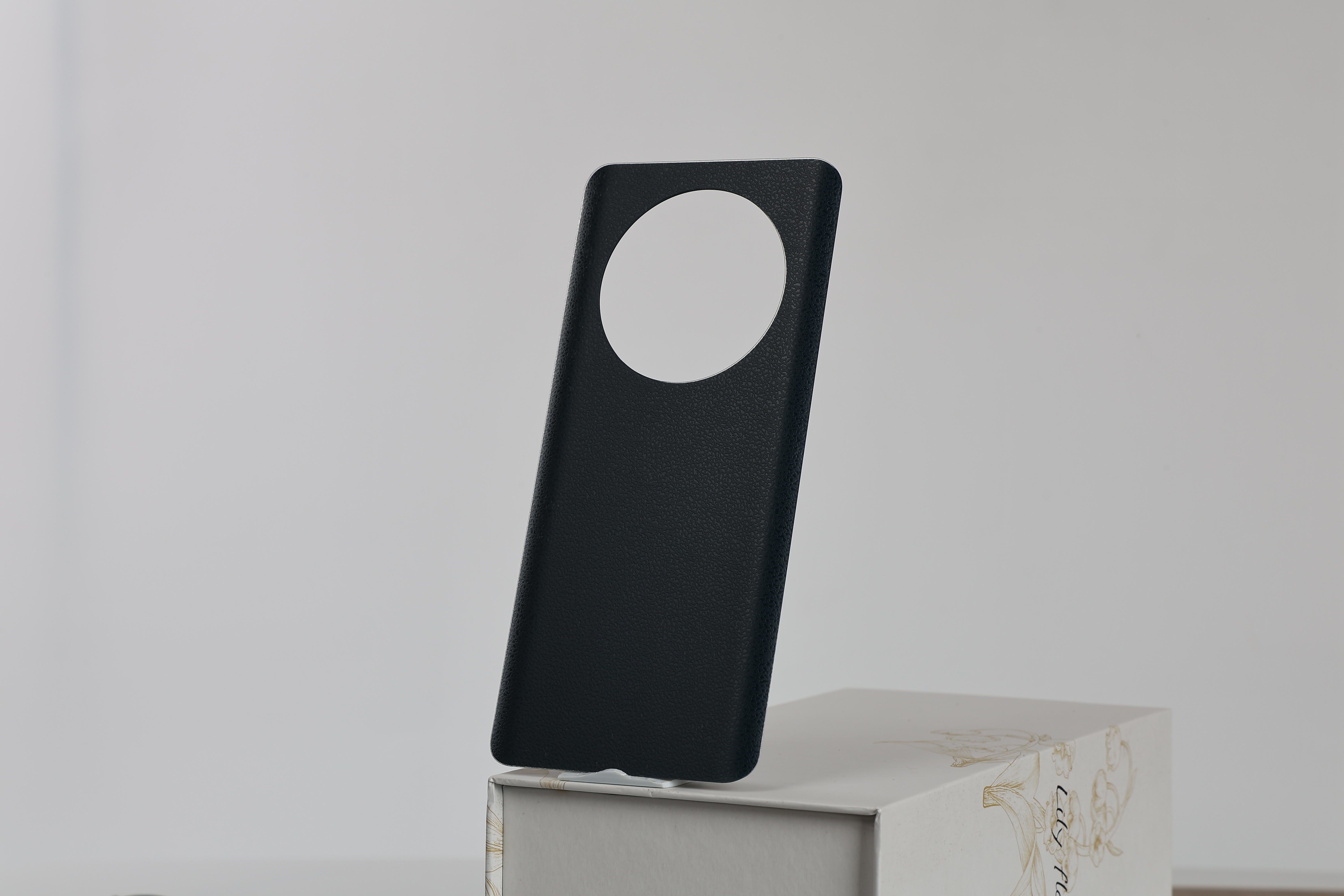
Raw glass sheets undergo CNC (Computer Numerical Control) cutting. Unlike standard glass, Custom Phone Back Cover Manufacturing requires precision within 0.01mm. We utilize multi-spindle CNC machines to create intricate shapes, including the large hole battery back cover glass designs necessary for modern camera modules.
Step 3: Chemical Strengthening (Tempering)
To achieve 9H hardness, the glass is submerged in a potassium nitrate salt bath at high temperatures. This ion-exchange process replaces smaller sodium ions with larger potassium ions, creating a compressive stress layer that makes the cover exceptionally durable.
Step 4: Surface Finishing and Texture Application
This is where tenwinglass differentiates itself. We offer various surface treatments such as:
- Frosted Finishes: For a premium, velvety tactile feel.
- Silk-screen Printing: Applying brand logos and custom colors.
- PVD Coating: For metallic reflections or unique optical effects.
Why Choose tenwinglass for Your Next Project?
Advanced OEM Capability
We provide full-scale Custom Phone Back Cover Manufacturing services, adapting to the specific design requirements of international smartphone brands and distributors.
Quality Control
Our facility implements a rigorous 100% inspection protocol, checking for optical clarity, dimensional accuracy, and impact resistance on every batch.
Material Innovation
From magnetic phone back covers to wireless charging compatible designs, we stay at the forefront of technology.
Professional Industry FAQ
Q1: How does AG glass differ from standard frosted glass in manufacturing?
A: AG (Anti-Glare) glass is created through a chemical etching process that alters the surface structure at a microscopic level, whereas standard frosted glass may use sandblasting. The etching in Custom Phone Back Cover Manufacturing provides a more durable and uniform finish that is resistant to oil and fingerprints.
Q2: Can you manufacture back covers that support MagSafe and Wireless Charging?
A: Yes. We specialize in integrating magnetic arrays and ensuring that the material thickness is optimized to allow for seamless wireless charging without compromising structural strength.
Q3: What is the typical lead time for mass production?
A: Depending on the complexity of the design and the required surface treatments, mass production usually spans 15 to 30 days after prototype approval.
Ready to Elevate Your Product Design?
Partner with tenwinglass for precision engineering and world-class manufacturing solutions.
© 2026 tenwinglass. All Rights Reserved. Professional Custom Phone Back Cover Manufacturing Solutions.