
An in-depth technical analysis for manufacturers and distributors on optimizing energy transfer through premium protective materials.
The Invisible Barrier in Modern Mobile Power
As the global electronics market shifts toward a portless future, the demand for high-performance wireless charging solutions has never been higher. However, professional distributors and OEM partners often face a critical challenge: why do some devices experience significant power loss and overheating during induction? The answer lies almost entirely in the selection of the wireless charging back cover material.
At tenwinglass, we have observed that even a 0.5mm variance in material thickness or a slight change in chemical composition can reduce charging efficiency by up to 20%. This article will guide you through the scientific principles of material selection, thermal management, and how to choose a Wireless Charging Back Cover that meets the rigorous standards of next-gen electronics.
Understanding the Physics of Induction and Interference
Electromagnetic Induction
Wireless charging works via copper coils creating a magnetic field. Any material placed between these coils acts as a dielectric barrier that can either facilitate or hinder the flow of energy.
Eddy Currents
Metal components in a back cover can lead to eddy currents, which transform intended power into wasted heat, potentially damaging the internal lithium-ion battery.
Thermal Resistance
The ability of a back cover to dissipate heat generated during the charging cycle is crucial for maintaining the peak charging wattage for extended periods.
Comparative Analysis: Glass vs. Plastic vs. Ceramic
| Material Type | Charging Efficiency | Thermal Conductivity | Durability Score |
|---|---|---|---|
| High-Alumina Glass | Excellent (95-98%) | High | 9/10 |
| Polycarbonate (PC) | Good (90-93%) | Low | 6/10 |
| TPU / Silicone | Average (85-90%) | Very Low | 5/10 |
Why Glass is the Professional Choice
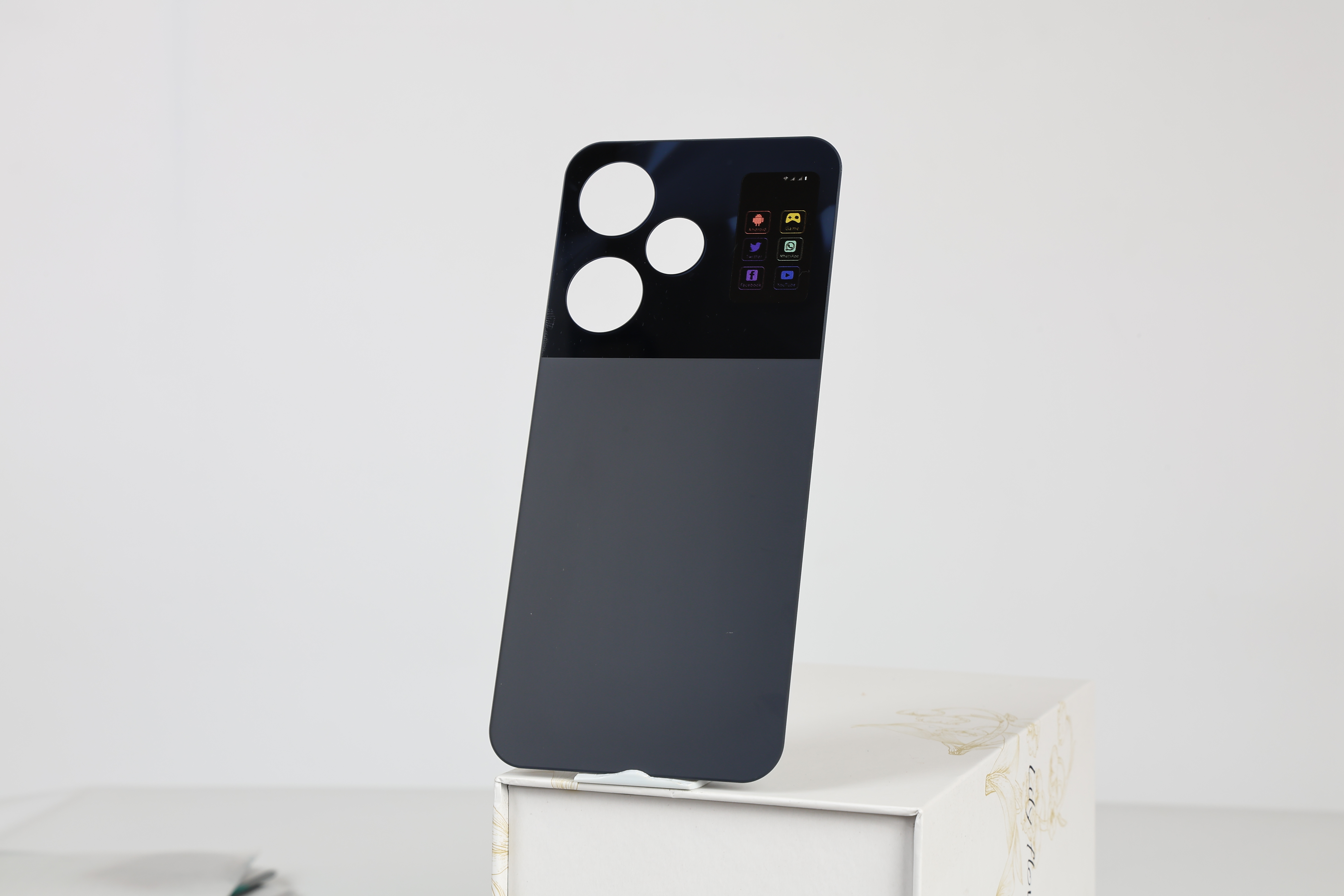
Based on our extensive manufacturing experience at tenwinglass, we have found that tempered glass solutions, such as the RT-L3001 Tempered Glass Back Cover, offer the best balance between aesthetics and functionality. Unlike plastics, glass does not trap heat as aggressively, allowing the device to maintain higher charging speeds for longer durations.
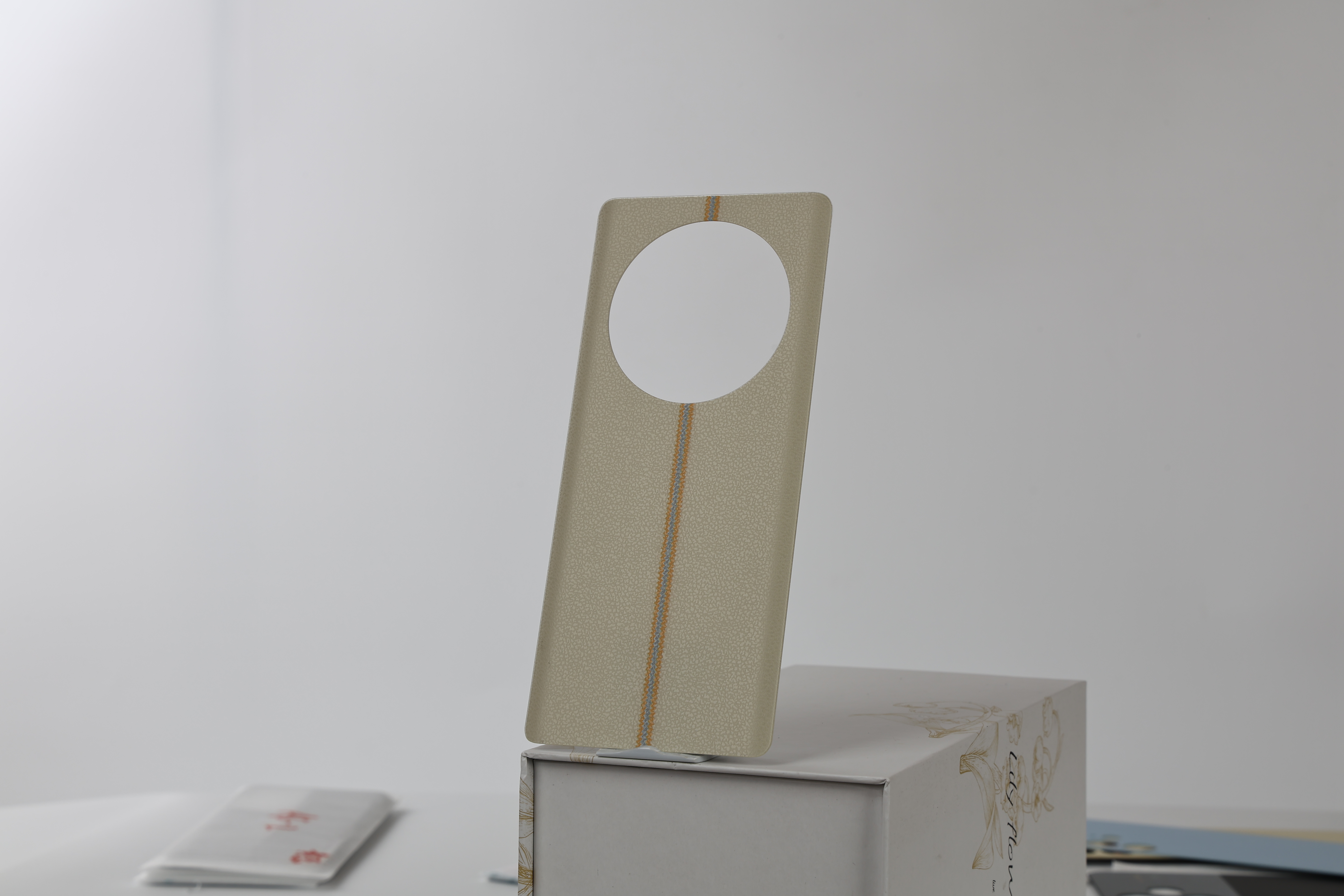
Furthermore, using an AG Glass Back Cover (Anti-Glare) not only enhances the tactile feel but also provides micro-textured surfaces that help in airflow, albeit minimally, compared to perfectly flat high-gloss finishes.
Strategic Thermal Management in Back Cover Design
Heat is the primary enemy of battery longevity. When a Wireless Charging Back Cover is improperly designed, the heat generated by the induction coil is reflected back into the phone's CPU and battery.
Why Tenwinglass Leads in Wireless Charging Integration
Our manufacturing processes are built on over a decade of precision glass engineering. We understand that a Wireless Charging Back Cover is more than just a protective shell; it is a critical component of the device's electrical ecosystem.
9H Hardness
Our tempered glass covers undergo dual-ion exchange tempering to ensure maximum impact resistance while remaining radio-frequency transparent.
OEM Customization
We provide full-scale custom phone back cover design services, ensuring perfect alignment with magnetic arrays like MagSafe.
Rigorous Testing
Every batch is tested for dielectric consistency and thermal expansion to guarantee stable performance in extreme environments.
Frequently Asked Questions
Can a Wireless Charging Back Cover cause permanent battery damage?
If made of low-quality materials with high thermal resistance, it can cause the battery to overheat, leading to accelerated degradation. Tenwinglass uses high-conductivity materials to prevent this.
How does glass thickness affect the charging speed?
The further the coils are separated, the lower the efficiency. We specialize in ultra-thin Wireless Charging Back Cover solutions that minimize this distance while maintaining 9H durability.
Is the ag glass back cover compatible with MagSafe accessories?
Yes, our magnetic phone back cover technology is designed to work seamlessly with Magsafe and other magnetic standards.
Optimize Your Device's Power Performance Today
Consult with our technical experts to develop a custom solution that perfectly balances style, protection, and efficiency.