
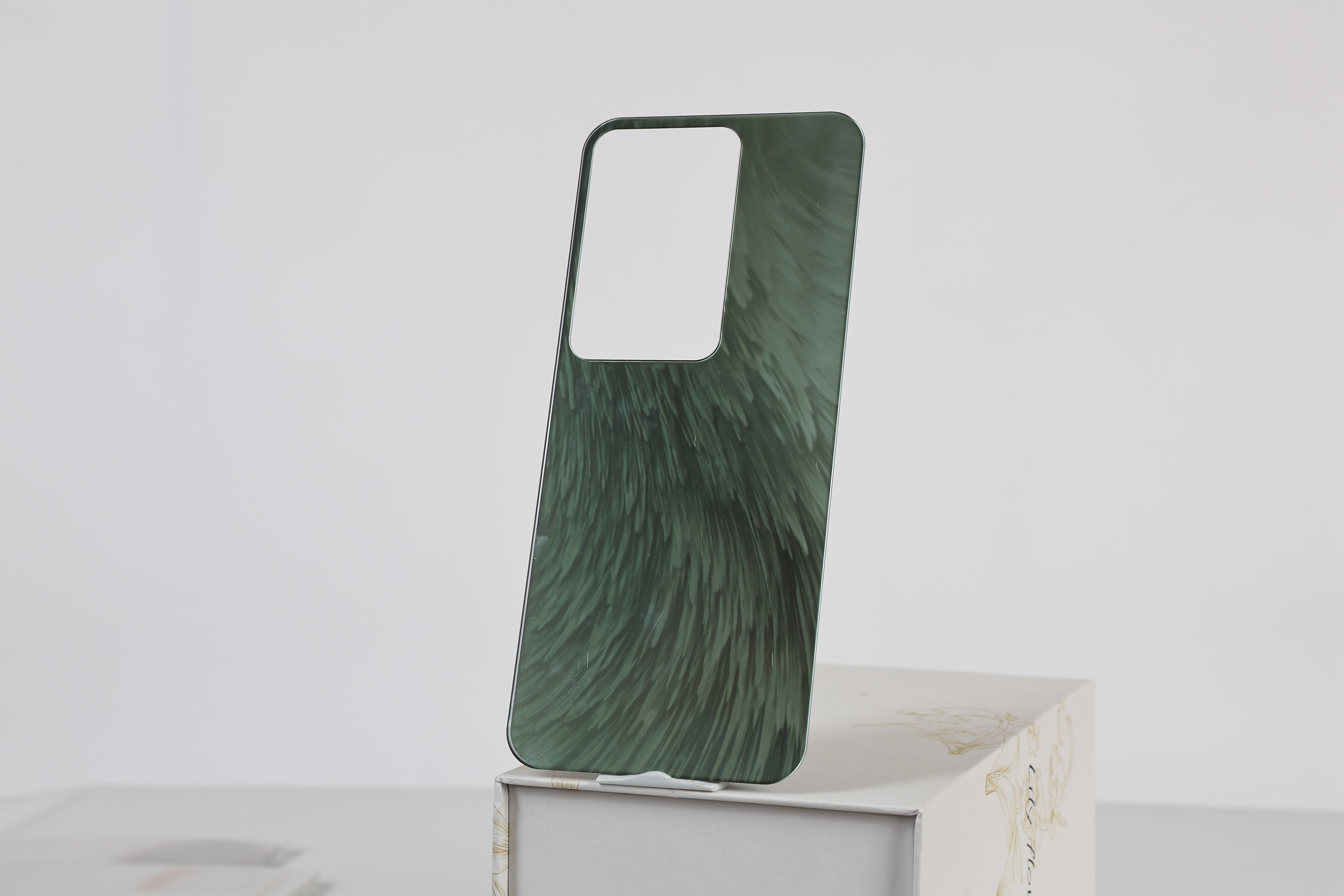
A comprehensive guide for OEMs and product designers to master the integration of seamless glass housing in modern electronics.
The Evolution of Structural Device Housing
In the competitive landscape of consumer electronics, the aesthetic and structural integrity of a device often dictates its market success. The transition from multi-part plastic or metal assemblies to a sophisticated one-piece glass back cover represents a significant leap in industrial design. However, this transition introduces complex engineering challenges, ranging from stress distribution in tempered glass to the precision of CNC-milled camera apertures.
As a leading provider in the glass processing industry, tenwinglass has observed a growing demand for seamless integration. Designers are no longer satisfied with separate glass panels and plastic frames; they seek the unified tactile experience and superior protection offered by a singular, monolithic glass structure. This article delves into the technical nuances of manufacturing these components and how to overcome common production bottlenecks.
Foundational Knowledge: Understanding Glass Compositions
Before initiating the manufacturing process, selecting the correct glass substrate is paramount. High-alumina glass is typically preferred for a One-piece Glass Back Cover due to its superior ion-exchange capabilities. This chemical composition allows for deeper compressive stress layers during the tempering process, which is essential for drop resistance.
- High Alumina Glass: Known for high fracture toughness and scratch resistance.
- Soda-Lime Glass: More cost-effective for mid-range devices but with lower impact durability.
- Borosilicate Glass: Excellent thermal shock resistance, ideal for specialized high-heat applications.
The Manufacturing Workflow for a One-piece Glass Back Cover
Manufacturing a high-precision One-piece Glass Back Cover requires a blend of traditional craftsmanship and advanced automation. At tenwinglass, we follow a rigorous five-step protocol to ensure every unit meets OEM standards.
1. Precision CNC Cutting and Milling
The process begins with CNC machining. Unlike standard glass panels, a one-piece cover often requires complex geometry, including "large holes" for camera modules or "porous" designs for sensors. We utilize high-speed diamond bits to achieve tolerances as tight as +/- 0.05mm. You can explore our large hole battery back cover glass solutions to see this precision in action.
2. Chemical Strengthening (Ion-Exchange)
To achieve the "unbreakable" quality expected of modern smartphones, the glass undergoes a chemical bath of potassium nitrate (KNO3). This replaces smaller sodium ions on the glass surface with larger potassium ions, creating a layer of compressive stress that inhibits crack propagation.
3. Surface Finish & Etching
Texture plays a vital role in user experience. Whether it is an AG glass back cover for anti-glare properties or a frosted glass back cover for a premium matte feel, the etching process must be uniform across the entire surface to avoid visual artifacts.
4. Functional Coatings (AF/AR)
Anti-fingerprint (AF) and Anti-reflective (AR) coatings are applied via Vacuum Deposition (PVD). These coatings ensure that the One-piece Glass Back Cover maintains its pristine look even after prolonged handling.
Why Trust Tenwinglass Engineering?
With over a decade of experience in glass processing, we have refined our excellent technology to support global brands. Our facility is equipped with dust-free chambers and automated optical inspection (AOI) systems to guarantee zero-defect delivery.
We understand that structural glass is more than just a cover; it is a component of the device's protective ecosystem. This is why our one-piece glass back cover advantages include better structural integrity and improved waterproof sealing compared to traditional multi-material designs.
Quality Assurance Standards
- 9H Surface Hardness Testing
- Salt Spray Corrosion Resistance
- Ball Drop Impact Certification
- 100% Dimensional Inspection via AOI
Technical Deep Dive: Integrating Wireless and Magnetic Features
Modern smartphones demand the integration of wireless charging back cover technology. A One-piece Glass Back Cover is the ideal medium for this, as glass does not interfere with electromagnetic induction like metal does.
Furthermore, the rise of magnetic accessories requires precise internal milling to accommodate magnets without compromising the glass's structural strength. Our engineering team at tenwinglass specializes in thinning specific areas of the glass cover to ensure strong magnetic attachment while maintaining the overall durability of the tempered glass back cover.
Frequently Asked Questions
How do you ensure the One-piece Glass Back Cover fits various phone models?
We work directly with OEM CAD files. Our CNC machining process is highly customizable, allowing us to adapt the aperture locations and curvature radii to fit specific device chassis perfectly.
What is the typical lead time for bulk orders?
Depending on the complexity of the surface treatment and the quantity, our quick delivery system usually fulfills bulk orders within 15 to 25 business days after design finalization.
Can the glass back cover be customized with brand logos?
Yes, we offer multiple branding options including silk-screen printing, laser engraving, and under-glass UV printing to ensure your brand identity is prominently and durably displayed.
Ready to Elevate Your Product Design?
Partner with tenwinglass for high-precision glass solutions tailored to your brand's unique needs.