
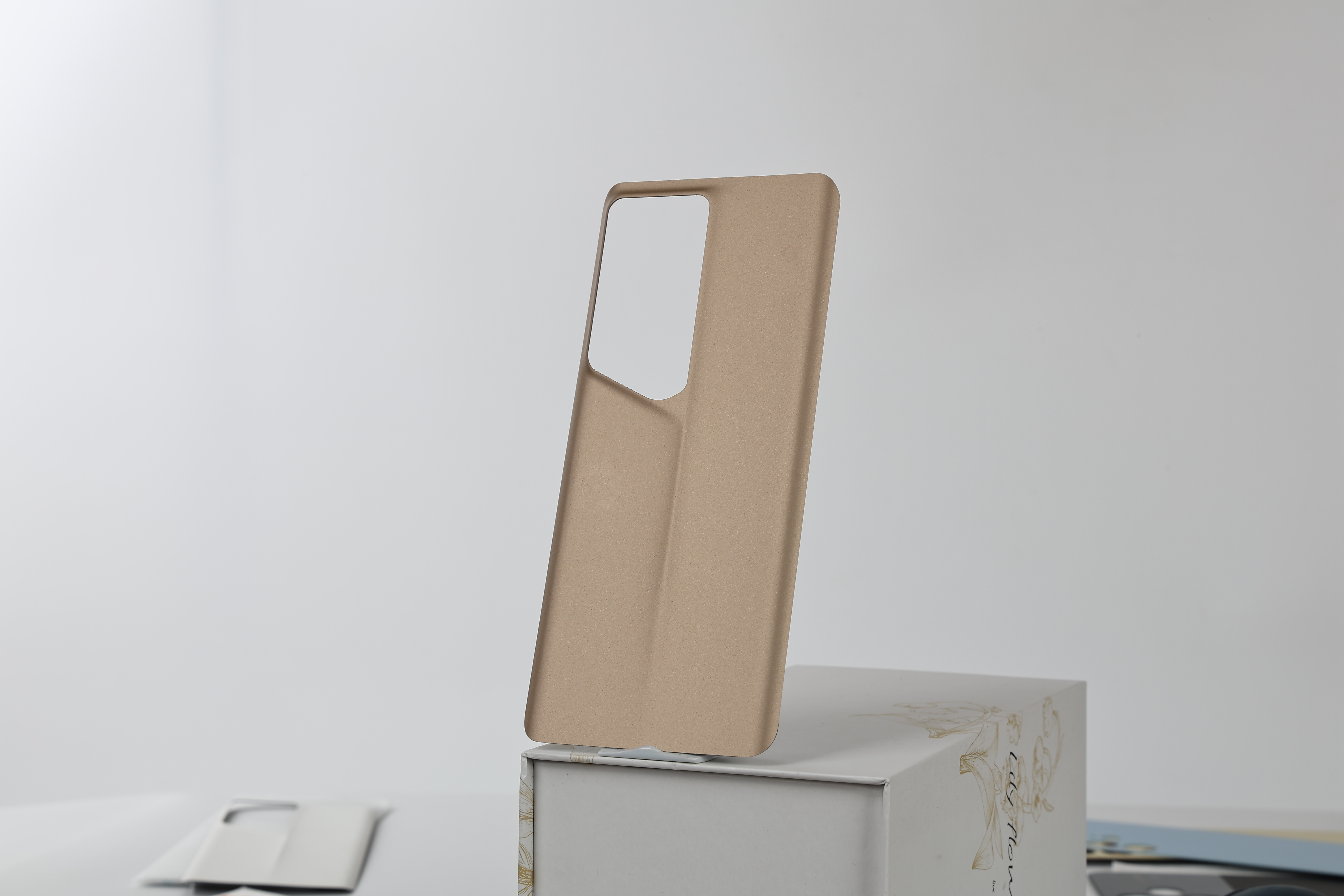
Optimizing device aesthetics and functionality through high-performance glass and composite materials.
Advancing Mobile Integration with Precision Engineering
In the rapidly evolving landscape of consumer electronics, the demand for seamless power delivery has transitioned from a luxury to a standard expectation. Manufacturers and brands are increasingly facing the challenge of balancing structural durability with the electromagnetic transparency required for inductive power. This is where the wireless charging back cover becomes a critical component in product design.
At tenwinglass, we understand that a back cover is no longer just a protective shell; it is a sophisticated interface that must facilitate energy transfer while maintaining premium tactile feedback. Whether you are dealing with signal interference, heat dissipation issues, or material fragility, this guide provides the technical insights needed to select and implement the ideal solution for your next-generation hardware.
What You Will Learn in This Technical Analysis:
- The electromagnetic principles behind effective wireless charging materials.
- A deep dive into Wireless Charging Back Cover material science.
- Manufacturing standards and quality control protocols at tenwinglass.
- Strategic integration of magnetic alignment and anti-drop features.
Understanding the Material Science
The primary obstacle to efficient wireless charging is interference. Metal housings, while durable, act as Faraday cages, completely blocking the inductive coils from communicating. This has led to the dominance of glass, acrylic, and polycarbonate in the Wireless Charging Back Cover market.
Glass remains the gold standard due to its high dielectric constant and superior scratch resistance. Our AG Glass solutions offer a matte finish that reduces fingerprint smudges while ensuring that power transfer remains at peak efficiency.
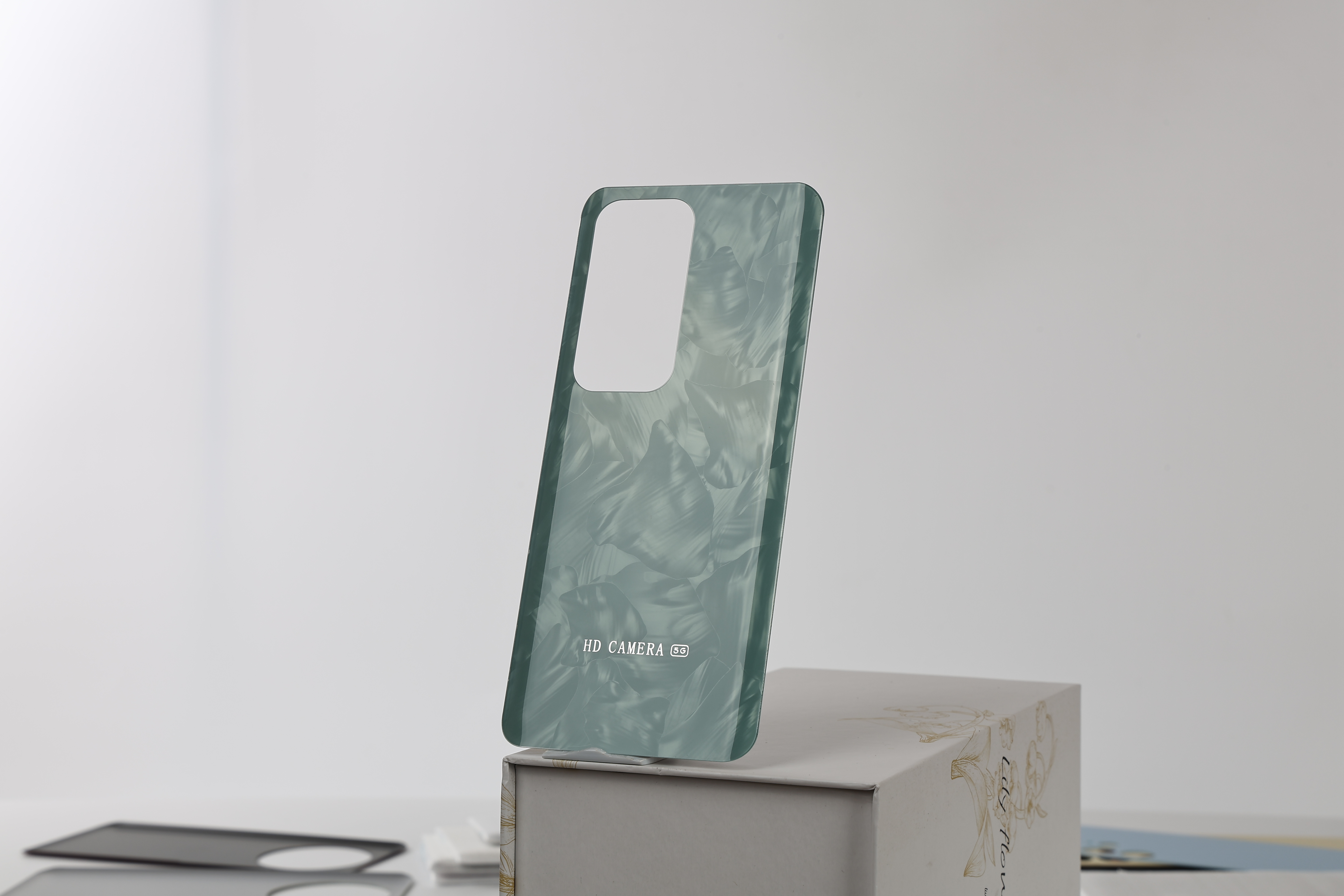
Core Solutions for High-Performance Implementation
Selecting the right Wireless Charging Back Cover involves evaluating the trade-offs between aesthetics, thickness, and thermal management. Based on our extensive manufacturing experience at tenwinglass, we categorize high-tier covers into three primary types:
1. Ultra-Thin Tempered Glass Covers
By utilizing 0.3mm to 0.7mm high-alumina glass, we achieve a balance of extreme thinness for better coil proximity and high impact resistance. This is essential for tempered glass back cover applications where premium feel is paramount.
2. Integrated Magnetic Alignment Systems
To maximize charging speed, precise alignment between the transmitter and receiver coils is necessary. Modern designs integrate a magnetic phone back cover structure that snaps the device into the optimal charging position every time.
3. AG (Anti-Glare) and Frosted Finishes
Thermal management is a byproduct of charging. Our frosted glass back cover technology not only provides a sophisticated look but also utilizes micro-surface textures that help dissipate heat more effectively than high-gloss finishes.
Why Global Brands Choose tenwinglass for Back Cover Engineering
Technical Expertise
With over a decade of specialization in glass processing, we ensure every Wireless Charging Back Cover meets rigorous aerospace-grade tolerances.
Certified Quality
Our production lines follow strict ISO standards, incorporating 9H hardness testing and 2.5D/3D precision edge grinding for every component.
Deep Customization
From custom phone back cover branding to specific sensor cutouts, we tailor every detail to your PCB layout.
Strategic Implementation Guidelines
When integrating a Wireless Charging Back Cover into a new product line, designers must consider the "Z-height" — the distance between the charging coil and the external surface. A cover that is too thick will lead to significant energy loss and heat buildup.
Optimal Coil Distance
We recommend a glass thickness of 0.55mm for the most efficient energy transfer rates, maintaining 95%+ efficiency compared to direct contact.
Impact Protection
Utilizing anti-drop back cover chemical strengthening ensures that the thin glass remains resilient against daily drops.
Frequently Asked Questions
Does the back cover thickness affect wireless charging speed?
Yes. Induction efficiency drops significantly as the distance between coils increases. Our Wireless Charging Back Cover designs are optimized at the sub-millimeter level to ensure minimal power loss.
Are glass back covers compatible with all wireless chargers?
As long as the material is non-metallic, such as our high-clear tempered glass or PC panels, they are fully compatible with Qi and other inductive charging standards.
How do you ensure the back cover doesn't overheat?
We incorporate high-thermal conductivity adhesives and specific glass coatings that help distribute heat across the surface, preventing localized hotspots during fast-charging cycles.
Can I customize the color and logo on the back cover?
Absolutely. Tenwinglass offers comprehensive OEM services, including silk-screen printing, PVD coating, and laser etching for logos, all while maintaining wireless charging transparency.
Ready to Upgrade Your Product Design?
Partner with tenwinglass for precision-engineered Wireless Charging Back Cover solutions.
© 2026 tenwinglass. All Rights Reserved. Professional Glass Cover Solutions for Global Electronics.