
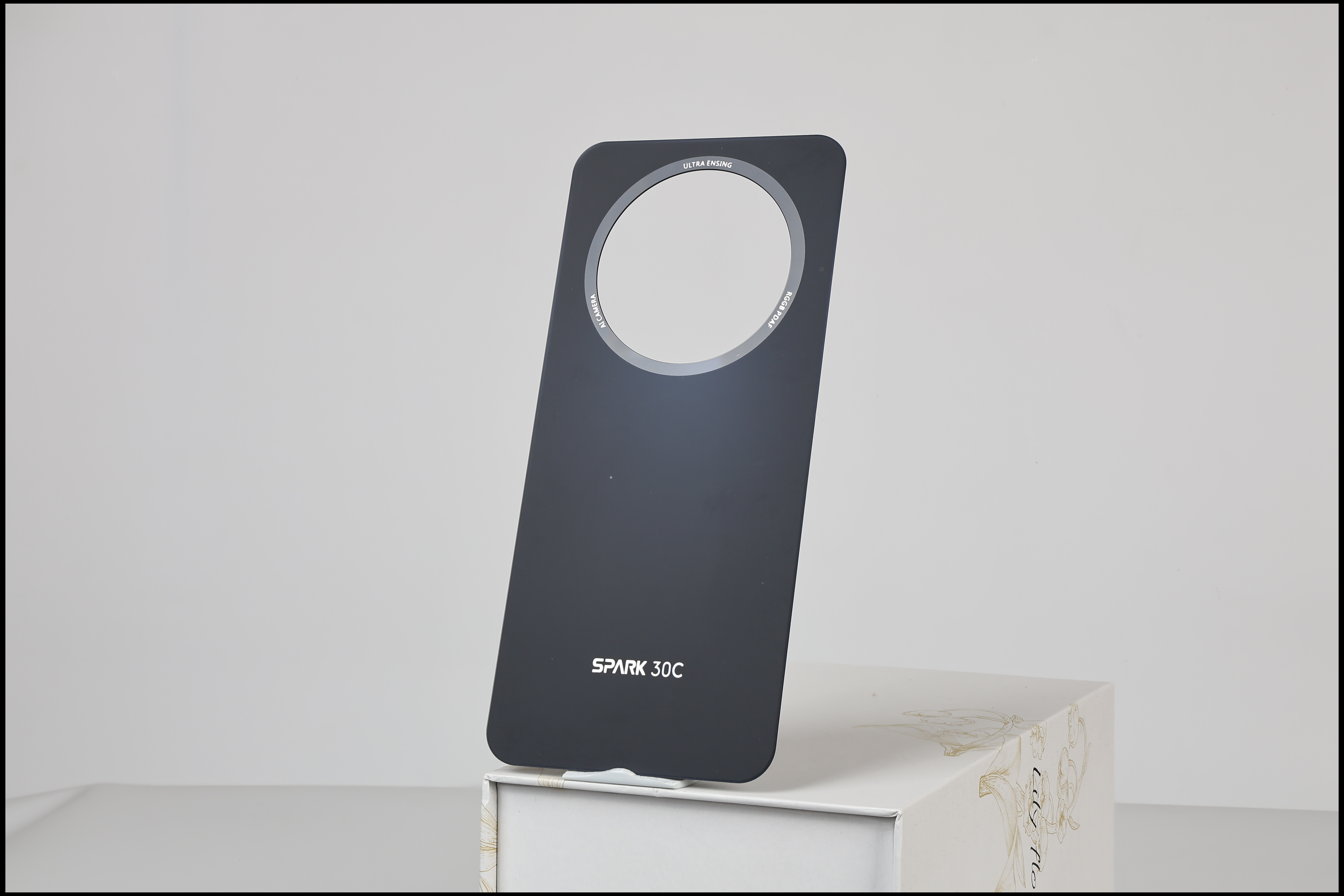
In the modern smartphone industry, a single accidental slip can lead to hundreds of dollars in repair costs or permanent hardware failure. For enterprise buyers and mobile accessory distributors, the durability of a protective solution is not just a feature—it is a core business requirement. How can you ensure that an anti-drop back cover truly provides the protection it promises?
At tenwinglass, we understand the frustration of fragile components. This guide provides a deep dive into the rigorous testing methods and international standards that define high-performance drop resistance, helping you make informed procurement decisions for your brand.
What You Will Learn from This Guide:
- The fundamental physics behind impact protection in mobile covers.
- A breakdown of professional drop testing standards like MIL-STD-810H.
- How tenwinglass integrates material science to enhance structural integrity.
- Practical checklists for verifying quality before bulk orders.
Understanding the Foundations of Drop Resistance
Before diving into testing protocols, it is essential to understand that an effective Anti-drop Back Cover operates on the principle of energy dissipation. When a device hits a hard surface, kinetic energy must be redirected or absorbed to prevent it from reaching the internal circuitry or the brittle glass display.
Material Composition
High-quality covers often utilize a combination of tempered glass, TPU (Thermoplastic Polyurethane), and PC (Polycarbonate). Each material serves a specific role in shock absorption and structural rigidity.
Structural Engineering
Features such as reinforced corners, air-cushion technology, and raised bezels are critical. These design elements are what transform a standard shell into a professional-grade protective solution.
Professional Testing Methods and Standards
To claim high durability, products must undergo standardized testing. Here are the most critical protocols used in the industry to validate the performance of an Anti-drop Back Cover:
1. MIL-STD-810H Drop Test
The U.S. Military Standard (MIL-STD) is the most recognized benchmark. It involves dropping a device from a height of 48 inches (approximately 1.2 meters) on all faces, edges, and corners for a total of 26 drops. Successfully passing this test ensures the device remains functional and the cover remains intact.
2. Micro-Drop and Tumble Testing
While high-altitude drops are dramatic, daily wear often involves repetitive low-level impacts. Micro-drop testing involves thousands of drops from small heights (around 10cm) to test for structural fatigue over time. Tumble testing places the device in a rotating drum to simulate the chaotic environment of being dropped inside a bag or during a fall down stairs.
3. Material Hardness and Scratch Resistance
Durability isn't just about impact; it's about surface integrity. Our glass back covers are tested using the Mohs hardness scale and pencil hardness tests (typically reaching 9H) to ensure they withstand scratches from keys and sand in everyday use.
Why tenwinglass is the Trusted Partner for Mobile Protection
With over a decade of expertise in the manufacturing of high-precision glass and protective components, tenwinglass has perfected the balance between aesthetics and extreme durability. Our production lines are equipped with state-of-the-art CNC machining and chemical strengthening furnaces.
Rigorous QC
Every batch of products undergoes 100% inspection to ensure zero defects in structural bonding and clarity.
Advanced Materials
We utilize specialized AG glass and tempered glass solutions that provide superior grip and impact resistance.
Certified Excellence
Our manufacturing processes align with international quality management systems to serve global markets.
Frequently Asked Questions (FAQ)
How does an Anti-drop Back Cover maintain wireless charging compatibility?
By using precision-engineered materials that do not interfere with electromagnetic induction. Our wireless charging compatible designs ensure you don't sacrifice convenience for protection.
What is the lead time for custom OEM orders?
Based on our standard production capacity at tenwinglass, typical lead times range from 15 to 30 days depending on the complexity of the design and customization requirements.
Can these covers be customized for specific smartphone models?
Yes. We offer extensive customization for a wide range of models including iPhone, Samsung, and other major brands, ensuring a perfect fit and access to all ports and buttons.
Ready to Elevate Your Product Protection?
Whether you are looking for high-performance glass covers or customized protective solutions, tenwinglass provides the engineering expertise you need to succeed.
© 2026 tenwinglass. All Rights Reserved. Professional Protective Solutions for Consumer Electronics.