
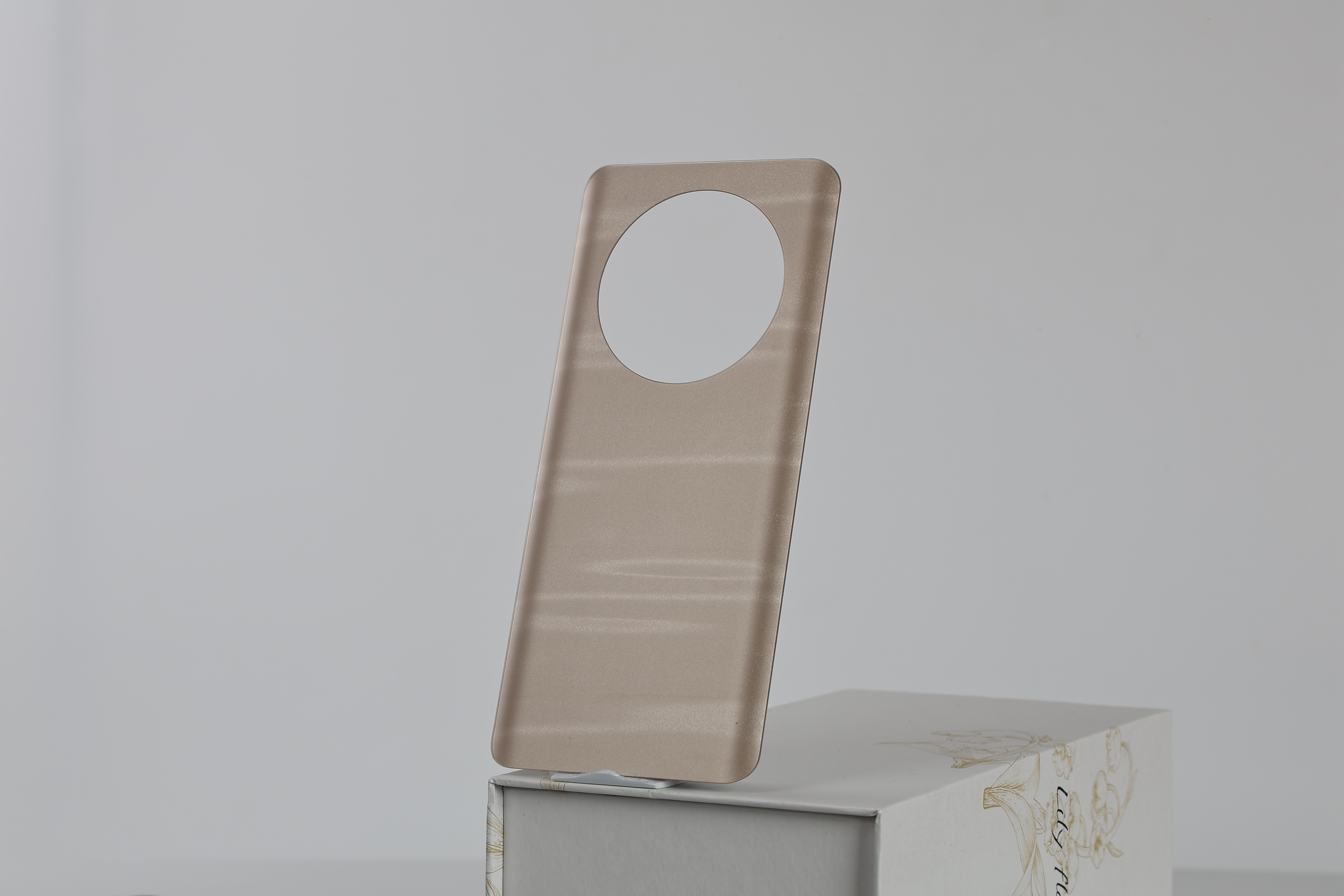
custom phone back cover: Complete Guide to Personalized Smartphone Protection
Explore materials, printing technologies, customization options, and manufacturing insights for bespoke phone back covers
In a market saturated with identical smartphone designs, a custom phone back cover offers brands, retailers, and consumers a powerful way to stand out. Whether you are a mobile accessories distributor sourcing OEM phone cases, a tech brand seeking branded packaging, or a B2B buyer exploring wholesale personalized phone covers, understanding the full scope of customization options — from tempered glass panels to UV-printed hard shells — is essential for making informed purchasing decisions.
What Is a Custom Phone Back Cover?
A custom phone back cover is a protective or decorative rear panel designed and manufactured to specific visual, material, and functional specifications. Unlike off-the-shelf cases, custom back covers can feature branded logos, unique artwork, gradient finishes, textured surfaces, and tailored dimensions for specific device models.
These covers serve two primary purposes: protection — shielding the device from scratches, impacts, and daily wear — and personalization — enabling brand differentiation or individual expression. For B2B buyers, custom back covers represent a high-margin product category with strong demand across consumer electronics retail, corporate gifting, and promotional merchandise sectors.
Popular Materials for Custom Phone Back Covers
Material selection directly impacts the cover's durability, aesthetics, cost, and target market positioning. Below is a comparison of the most commonly used materials in custom phone back cover manufacturing:
| Material | Durability | Print Quality | Cost Level | Best For |
|---|---|---|---|---|
| Tempered Glass | Excellent (9H hardness) | High-resolution UV print | Mid-High | Premium & flagship models |
| Polycarbonate (PC) | Good (impact resistant) | Vivid full-color print | Low-Mid | Bulk promotional items |
| TPU (Thermoplastic Polyurethane) | Good (flexible, shock-absorbing) | Moderate | Low | Sport & rugged use cases |
| Aluminum / Metal | Excellent | Laser engraving / anodized | High | Luxury & corporate branding |
| Real Leather / PU Leather | Good (develops patina) | Embossing, debossing | High | Executive & fashion segments |
| Acrylic / PMMA | Good (scratch resistant) | Photo-quality UV print | Mid | Translucent & artistic designs |
Customization Technologies and Printing Methods
The visual quality and production efficiency of a custom phone back cover depend heavily on the printing or decoration technology used. Different methods suit different order volumes, design complexities, and material types.
UV Flatbed Printing
UV printing is the most versatile technology for custom phone back covers. Using ultraviolet-cured inks, this method can print full-color, high-resolution designs (up to 1440 dpi) directly onto glass, PC, TPU, and acrylic surfaces. UV printing supports gradient colors, photographic imagery, and fine text reproduction. It cures instantly, enabling fast turnaround times — ideal for both prototyping and medium-volume production runs of 500 to 50,000 units.
Screen Printing (Silkscreen)
Screen printing remains the preferred method for large-volume orders requiring consistent solid-color designs, such as branded corporate back covers with a single or two-color logo. Each color requires a separate screen, making it less economical for complex multi-color artwork. However, for runs exceeding 10,000 units with simple designs, screen printing offers the lowest per-unit cost and excellent color durability.
Hydro Dipping (Water Transfer Printing)
Hydro dipping, also known as water transfer printing, is used to apply complex patterns — carbon fiber, wood grain, marble, camouflage — onto three-dimensional surfaces. The film with the pattern floats on water, and the cover is dipped through it, transferring the design to all exposed surfaces. A clear topcoat is then applied for protection. This method is popular for creating premium-looking finishes at a fraction of the cost of real materials.
Laser Engraving and Etching
Laser engraving is typically used on metal, wood, and glass back covers to create precise, permanent markings. It does not use ink, making it highly durable and resistant to fading. Common applications include serial numbers, QR codes, minimalist brand logos, and textured patterns on premium device cases.
UV Printing
Best for full-color, photographic designs on glass and hard plastic. MOQ: 50 units.
Ideal: Medium runs, complex artwork
Screen Printing
Best for simple 1-3 color logos on high-volume orders. MOQ: 5,000 units.
Ideal: Bulk corporate & promotional
Hydro Dipping
Best for carbon fiber, wood grain, and marble patterns. MOQ: 200 units.
Ideal: Premium texture finishes
Key Design Considerations for Custom Phone Back Covers
Device Compatibility and Precise Fit
Every smartphone model has unique dimensions, button placements, camera module configurations, and port locations. A custom back cover must be engineered with precision CAD modeling to ensure exact cutouts and a snug fit. Poorly fitted covers not only look unprofessional but can also interfere with wireless charging, camera functionality, and button responsiveness. Reputable manufacturers maintain updated CAD libraries for the latest device releases from Apple, Samsung, Xiaomi, Huawei, OPPO, Vivo, and other major brands.
Wireless Charging Compatibility
With wireless charging now standard across flagship devices, custom back covers must be thin enough — typically under 2mm for glass panels and under 3mm for PC/TPU shells — to allow efficient power transfer. Metal back covers, while premium in appearance, generally block wireless charging signals and require special design accommodations such as cutout sections or non-metallic inserts.
Camera Lens Protection
Modern smartphones feature protruding camera modules that require raised bezels or lens rings on the back cover. A well-designed custom cover incorporates precise camera cutouts with raised edges (typically 0.5-1.0mm above the lens surface) to prevent direct contact when the phone is placed on flat surfaces. For tempered glass back covers, the camera cutout must be polished to avoid sharp edges that could scratch the lens ring.
Surface Finish and Texture Options
Beyond printed graphics, the physical texture of a back cover significantly influences both user experience and perceived quality. Available surface treatments include:
- Glossy finish — High-shine surface that enhances color vibrancy; prone to fingerprints on dark designs
- Matte / frosted finish — Anti-fingerprint, soft-touch feel; slightly reduced color saturation
- Textured grip patterns — Ridges, dots, or geometric patterns for improved handling
- Brushed metal effect — Simulated metallic appearance via printing or physical brushing
- Gradient and color-shifting finishes — Holographic or pearlescent effects for eye-catching retail appeal
tempered glass back covers: The Premium Choice
Tempered glass phone back covers have become the fastest-growing segment in the custom phone accessories market. Unlike plastic alternatives, glass panels offer a premium tactile experience, superior scratch resistance (9H hardness rating), and excellent color reproduction for UV-printed designs. Major smartphone manufacturers including Apple, Samsung, and Xiaomi now use glass backs on their flagship devices, driving consumer preference for matching glass accessories.
Tempered Glass Back Cover Specifications
Hardness Rating
9H (pencil hardness)
Typical Thickness
0.5mm - 0.85mm
Transparency
92% - 95% light transmission
Impact Resistance
3-5x stronger than regular glass
Adhesive Layer
AB double-sided optical adhesive
Edge Treatment
The manufacturing process for tempered glass back covers involves cutting raw glass sheets to device-specific dimensions, CNC edge polishing, chemical tempering (strengthening through ion exchange), UV printing of custom designs, application of adhesive layers, and quality inspection including drop testing and adhesion verification. Each step requires specialized equipment and quality control protocols to ensure consistent output.
B2B Sourcing: How to Choose a custom phone back cover manufacturer
Selecting the right manufacturing partner is critical for product quality, delivery reliability, and long-term business success. Key evaluation criteria include:
Production Capability
Monthly output capacity, available printing technologies, in-house tooling for new device models, and ability to handle both small trial orders and large-volume production.
Quality Assurance
ISO 9001 certification, incoming material inspection, in-process quality checks, finished product testing (drop test, adhesion test, color accuracy), and defect rate tracking.
Device Model Coverage
Comprehensive CAD library covering latest iPhone, Samsung Galaxy, Xiaomi, Huawei, OPPO, Vivo, OnePlus, Google Pixel, and other popular models with rapid new-model development.
Customization Services
Design assistance, prototyping with quick turnaround, Pantone color matching, custom packaging solutions, and OEM/ODM flexibility for branded product lines.
Order Process: From Design to Delivery
Step 1: Design Submission
Provide your artwork in AI, PSD, or high-resolution PDF format (minimum 300 dpi). Include device model specifications and any Pantone color references.
Step 2: Proof and Confirmation
The manufacturer creates a digital proof or physical sample for your review. Approve the design, color accuracy, and material finish before production begins.
Step 3: Production
Bulk manufacturing with in-process quality control. Typical lead times: 7-15 business days for UV printing orders, 15-25 days for screen printing large orders.
Step 4: Quality Inspection and Shipping
Final QC including visual inspection, drop testing, and packaging verification. Products are packed according to your specifications and shipped via your preferred freight method.
Market Trends in Custom Phone Back Covers
The global phone case market is projected to exceed $35 billion by 2027, with custom and personalized segments growing faster than the overall market. Key trends shaping the industry include:
- Sustainable materials — Growing demand for biodegradable cases (PLA, bamboo fiber) and eco-friendly packaging, particularly in European and North American markets
- MagSafe compatibility — Built-in magnet arrays for Apple MagSafe accessories becoming a standard requirement for iPhone cases
- Photo-quality personalization — Consumer demand for printing personal photos and artwork on phone cases, driving growth in small-batch and print-on-demand models
- Anti-bacterial coatings — Silver-ion and antimicrobial surface treatments gaining traction in health-conscious markets
- Integrated functionality — Cases with built-in card holders, kickstands, ring holders, and battery packs complementing back cover aesthetics, including magnetic attachment systems
Frequently Asked Questions
What is the minimum order quantity (MOQ) for custom phone back covers?
MOQ varies by printing method and material. UV-printed glass back covers typically have an MOQ of 50-100 units. Screen-printed PC or TPU covers usually require 2,000-5,000 units due to setup costs. Many manufacturers offer sample orders of 10-20 units for design evaluation before committing to full production.
How long does production take for a custom phone back cover order?
Sample production typically takes 3-5 business days after design approval. Bulk orders range from 7-15 business days for UV-printed items and 15-25 business days for screen-printed large-volume orders. Shipping time adds 5-15 business days depending on the destination and freight method (air vs. sea).
Can custom back covers support wireless charging?
Yes, most custom back covers support wireless charging provided the material is non-metallic. Tempered glass (0.5-0.85mm), polycarbonate, and TPU covers do not interfere with wireless charging signals. Metal back covers generally block charging and should be avoided if wireless charging compatibility is required.
What file formats are accepted for custom designs?
Preferred formats include Adobe Illustrator (.AI), Photoshop (.PSD), and high-resolution PDF files. Artwork should be at least 300 dpi at actual print size. For photographic designs, TIFF or PNG in CMYK color mode is recommended. Most manufacturers provide device-specific templates to ensure proper alignment and bleed areas.
Are tempered glass back covers safe? Won't they shatter?
Tempered glass back covers are designed for rear-panel protection and decoration, not front-screen impact absorption. Through chemical tempering, the glass becomes significantly stronger than regular glass and shatters into small, relatively harmless granules rather than sharp shards if broken. Quality manufacturers also apply an anti-shatter film layer for additional safety.
Ready to Start Your Custom Phone Back Cover Project?
From tempered glass panels to UV-printed hard shells, we offer full customization for any smartphone model. Get a free quote and sample today.