
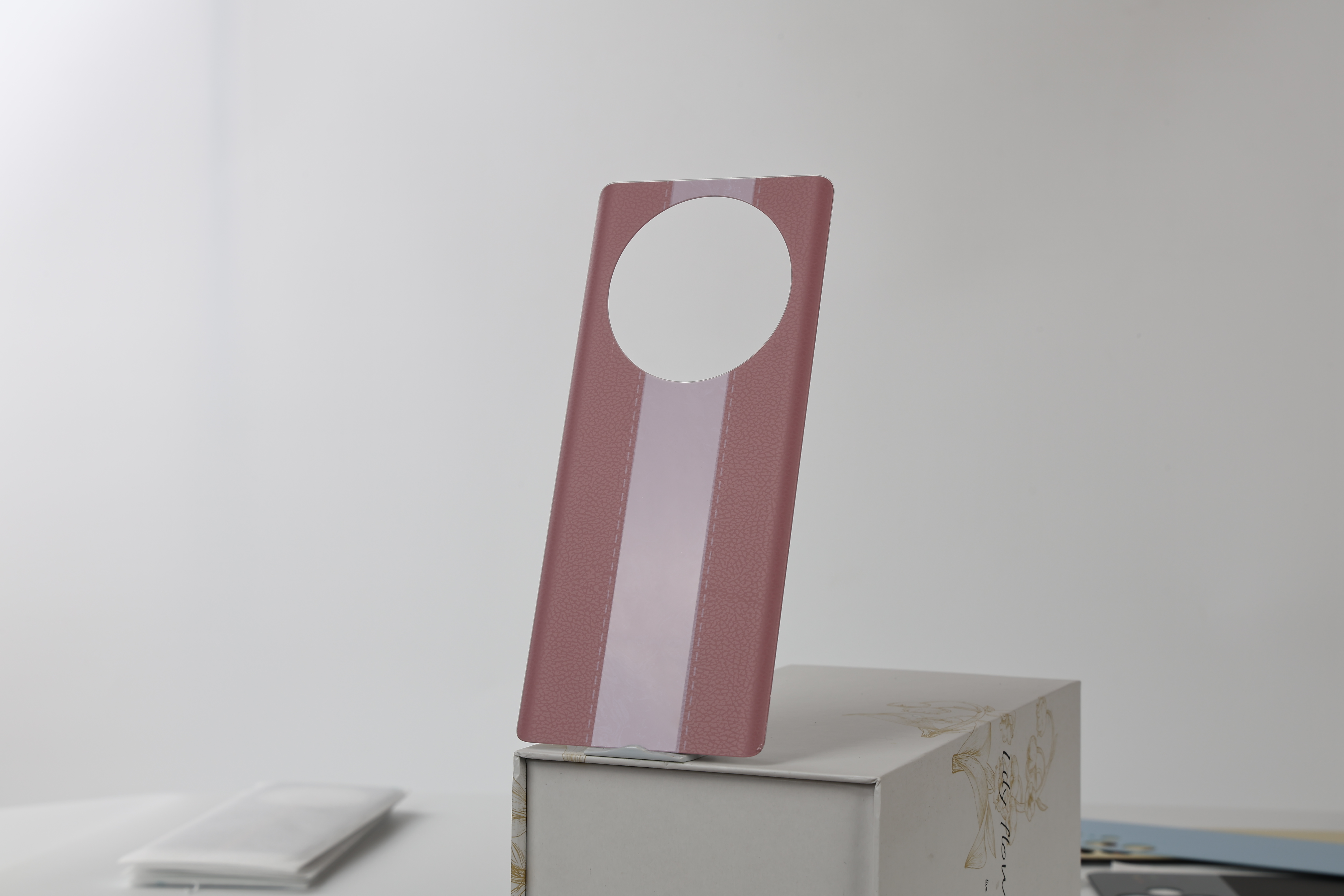
magnetic phone back cover: Magnet Array Design & Engineering Guide
Technical specifications for neodymium magnet arrays, flux patterns, shielding, and alignment engineering in B2B magnetic back cover manufacturing
The rapid adoption of Apple's MagSafe ecosystem has made magnetic attachment a standard feature in smartphone back covers. For B2B manufacturers and OEM suppliers, the engineering challenge lies in designing magnet arrays that deliver reliable accessory retention while maintaining wireless charging compatibility and minimal interference with the device's internal components. Understanding neodymium magnet grades, Halbach array principles, magnetic shielding materials, and precision alignment tolerances is essential for producing magnetic phone back covers that meet both performance expectations and cost targets at scale.
Magnet Array Fundamentals for Phone Back Covers
A magnetic phone back cover uses a precisely arranged circular array of permanent magnets to replicate the MagSafe attachment pattern originally designed by Apple. The array creates a concentrated magnetic field on the exterior surface of the phone, enabling secure snap-on attachment of chargers, wallets, car mounts, and other accessories. Internally, the field is directed away from the Qi charging coil and sensitive electronics through magnetic shielding.
The core engineering parameters of any magnetic back cover system include: magnet material grade and dimensions, number and arrangement of magnets in the array, total magnetic flux density (measured in Gauss or milliTesla), shielding material and thickness, and positional accuracy of each magnet relative to the device's internal MagSafe ring.
Neodymium Magnet Specifications
Neodymium iron boron (NdFeB) magnets are the industry standard for magnetic phone back covers due to their exceptional strength-to-size ratio. The choice of magnet grade directly determines the attachment force, which is the primary performance metric for MagSafe-compatible back covers.
| Magnet Grade | Br (Remanence) | BHmax (Max Energy) | Max Temp (Tw) | Typical Use |
|---|---|---|---|---|
| N35 | 11.7 – 12.1 kG | 33 – 36 MGOe | 80°C | Budget covers, lower attachment force |
| N42 | 13.0 – 13.2 kG | 40 – 43 MGOe | 80°C | Standard quality, good balance |
| N48 | 13.8 – 14.2 kG | 46 – 49 MGOe | 80°C | Premium covers, strong retention |
| N52 | 14.3 – 14.8 kG | 49 – 53 MGOe | 80°C | Highest grade, flagship MagSafe covers |
| N42SH | 12.8 – 13.2 kG | 40 – 43 MGOe | 150°C | High-temp applications, automotive |
For most consumer smartphone back covers, N48 or N52 grade magnets are recommended. These grades provide sufficient magnetic pull force (typically 800g – 1,200g per magnet at the surface of a glass back cover) to securely hold accessories while keeping the overall magnet ring thickness within 1.0mm–1.2mm. N35 grade magnets, while cheaper, often result in weak attachment that fails to hold heavier accessories such as battery packs and car mounts reliably.
Magnet Array Configuration
The arrangement of magnets in the ring defines the magnetic field pattern that interacts with MagSafe accessories. Apple's MagSafe specification uses a circular arrangement of 16 rectangular magnets around a 60mm-diameter ring, with alternating polarity (N-S-N-S) to create a strong, focused field on the exterior side.
Standard Circular Array (16-Magnet)
The most common configuration for MagSafe-compatible back covers uses 16 rectangular NdFeB magnets arranged in a circle with a diameter matching the device's internal MagSafe ring (approximately 60mm for iPhone 12–16 series). Each magnet is typically 10mm × 4mm × 1.0mm with alternating north-south polarization.
Extended Array (28–36 Magnet)
For enhanced attachment strength — especially for heavy-duty car mounts and multi-function cases — some manufacturers use extended arrays with 28 to 36 smaller magnets. These configurations provide stronger overall pull force and wider alignment tolerance, making it easier for accessories to snap into position. The trade-off is increased material cost and slightly thicker magnet ring assemblies (1.2mm–1.5mm).
16-Magnet Standard
Matches Apple MagSafe spec exactly. 10×4×1.0mm N48 magnets. Ring thickness: 1.0mm.
Pull force: 800g – 1,100g
28-Magnet Enhanced
Additional magnets for wider tolerance. 8×3×1.0mm N48. Ring thickness: 1.2mm.
Pull force: 1,000g – 1,400g
36-Magnet Maximum
Highest retention for rugged cases. 6×3×1.2mm N52. Ring thickness: 1.5mm.
Pull force: 1,200g – 1,800g
Magnetic Shielding: Protecting Internal Components
Without proper shielding, the magnet array's field would penetrate into the phone body and interfere with the Qi charging coil, NFC antenna, haptic motor, and other sensitive components. Magnetic shielding redirects the field toward the exterior surface of the phone while minimizing leakage inward.
Shielding Materials
| Material | Shielding Effectiveness | Thickness | Cost | Notes |
|---|---|---|---|---|
| Mu-Metal (Ni-Fe alloy) | Excellent | 0.05mm – 0.10mm | High | Best performance; used in premium covers |
| Soft Iron (Low Carbon) | Good | 0.10mm – 0.20mm | Low | Cost-effective for mid-range covers |
| Permalloy (80% Ni) | Very Good | 0.05mm – 0.08mm | High | High permeability; excellent for thin designs |
| Silicon Steel | Moderate | 0.15mm – 0.30mm | Low | Requires more thickness for equivalent shielding |
The shielding layer is placed between the magnet ring and the phone body (on the inner side of the magnet array). For glass back covers with magnetic functionality, the typical stack-up from exterior to interior is: glass panel → UV printed design → adhesive → magnet ring → shielding layer → adhesive → device body. This ensures the magnetic field is concentrated on the exterior surface for accessory attachment while the interior field is suppressed below levels that could affect device operation.
Magnetic Field Measurement and Quality Standards
B2B buyers evaluating magnetic phone back cover suppliers should require objective magnetic performance data. Key measurable parameters include:
Magnetic Back Cover Performance Specifications
Surface Flux Density
1,500 – 3,000 Gauss (center)
Total Pull Force (Ring)
1,100g – 1,800g (vs. steel plate)
Individual Magnet Pull
80g – 120g per magnet
Ring Diameter
60mm (iPhone 12–16 series)
Magnet Polarity Accuracy
Alternating N/S, ± 3°
Internal Field Leakage
< 200 Gauss (shielded side)
Operating Temperature Range
-20°C to +80°C
Demagnetization Resistance
< 2% loss at 80°C (N48)
Manufacturers should provide Gauss meter readings at the center of the magnet ring and at each individual magnet position for quality control sampling. Pull force should be measured using a standardized steel plate test (per IEC 60404 standards) with a controlled separation distance of 0mm (direct contact). Batch-to-batch variation in pull force should not exceed ± 10%.
Assembly Structure: Glass Cover + Magnet Ring
For tempered glass magnetic back covers, the magnet ring is integrated into the assembly between the glass panel and the adhesive layer. The typical cross-section stack-up (from exterior to interior) is:
Layer 1: Glass Panel
Tempered aluminosilicate glass, 0.5mm–0.7mm. AG treatment optional on exterior surface. 9H hardness.
Layer 2: UV-Printed Design
Full-color design printed on inner glass surface at 1440 dpi. Ink layer: 0.005–0.01mm (negligible thickness). Non-conductive, no magnetic interference.
Layer 3: Adhesive (Outer)
Optical adhesive bonding glass to magnet ring carrier. Thickness: 0.08–0.10mm. Non-conductive.
Layer 4: Magnet Ring Assembly
NdFeB magnets (N48/N52) embedded in a polycarbonate or ABS carrier ring. Ring OD: ~62mm, ID: ~48mm, thickness: 1.0–1.5mm depending on magnet configuration.
Layer 5: Magnetic Shielding
Mu-metal or soft iron disc adhered to inner surface of magnet ring. Thickness: 0.05–0.10mm. Redirects field toward exterior.
Layer 6: Adhesive (Inner) + Release Liner
AB adhesive with protective release liner. Thickness: 0.08–0.10mm. Removed during installation for direct bonding to device.
Total assembly thickness for a standard 16-magnet magnetic glass back cover typically ranges from 1.8mm to 2.3mm. This is within the Qi standard's 6mm Z-height limit when combined with the phone's internal structure, but buyers should verify wireless charging performance through the complete stack-up.
Alignment Tolerances and Positional Accuracy
The magnet ring must be precisely aligned with the device's internal MagSafe coil. Misalignment of even 1–2mm can significantly reduce both accessory attachment strength and wireless charging efficiency. For precision-aligned magnetic back covers, the following tolerances apply:
Ring Center Position
Tolerance: ± 0.5mm from device MagSafe center. Achieved through precision mold design and CNC-positioned magnet placement during assembly.
Individual Magnet Position
Tolerance: ± 0.3mm from design position. Ensures consistent magnetic field pattern and reliable accessory attachment across all units.
Magnet Polarity Orientation
Tolerance: ± 3° from design angle. Incorrect polarity orientation causes field cancellation and dramatically weakens attachment force.
Glass Panel to Ring Parallelism
Tolerance: < 0.05mm gap variation across the full ring area. Non-parallel bonding creates uneven magnetic field strength around the ring.
Surface Treatment Compatibility with Magnetic Back Covers
The magnetic ring does not restrict the choice of surface treatment for the exterior glass surface. All common treatments are fully compatible with the magnetic assembly:
- AG (Anti-Glare) etching — Chemical etching on the exterior surface does not affect the magnet ring on the interior side. The matte finish provides additional grip benefit when handling the phone with magnetic accessories attached.
- Frosted / matte finishes — Sandblasted or acid-etched finishes are fully compatible. The surface texture has no impact on magnetic performance since it is on the opposite side of the glass from the magnets.
- 2.5D / 3D curved edges — CNC-polished curved edges can be produced on magnetic glass covers without modification. The magnet ring is bonded to the flat inner surface and does not interfere with edge processing.
- UV printing — Full-color UV printing on the inner surface is compatible. The UV ink layer is non-magnetic and adds negligible thickness.
Quality Control Testing for Magnetic Back Covers
A comprehensive QC protocol for magnetic back covers at the production facility should include the following tests on every production batch:
| Test | Method | Acceptance Criteria | Sample Rate |
|---|---|---|---|
| Pull Force | Force gauge vs. steel plate at 0mm gap | ≥ 1,000g (16-magnet N48) | 5% per batch |
| Surface Flux Density | Gauss meter at ring center and per-magnet | 1,500 – 3,000 Gauss (center) | 5% per batch |
| Ring Position Alignment | Optical CMM or alignment jig | Center ± 0.5mm | 10% per batch |
| Qi Charging Test | 15W Qi charger + power meter | ≥ 90% of bare-device efficiency | 3% per batch |
| Drop Test | 1.0m onto steel, 6 faces × 2 corners | No magnet displacement or delamination | 2% per batch |
| Thermal Cycling | -20°C to +80°C, 50 cycles | Pull force retention ≥ 95% | 1% per batch (per new model) |
Frequently Asked Questions
Will magnetic back covers damage credit cards or hotel key cards?
The magnetic field on the exterior surface of a MagSafe back cover (typically 1,500–3,000 Gauss at the surface) can potentially demagnetize or scramble magnetic stripe cards placed directly against it. However, modern credit cards use chip-and-PIN or contactless (NFC) technology rather than magnetic stripes, making them largely unaffected. For magnetic stripe cards (hotel keys, older credit cards), maintaining a separation distance of 5mm or more is recommended. MagSafe wallets typically include a built-in shield layer to protect inserted cards.
Can magnetic back covers work with Android devices?
Yes. While MagSafe is Apple's proprietary standard, many Android smartphones from Samsung, Xiaomi, Huawei, and others support Qi wireless charging and can benefit from magnetic back covers. The magnet ring enables attachment to universal MagSafe-style accessories. For non-MagSafe devices, the magnetic alignment is provided entirely by the back cover and the accessory, without relying on any internal phone magnets. Android-specific back covers may use slightly different ring diameters to account for varying wireless charging coil positions.
How long do neodymium magnets last in a phone back cover?
NdFeB magnets have excellent long-term stability. Under normal use conditions, they lose less than 1% of their magnetization per decade. The primary risk factors are exposure to temperatures exceeding the magnet grade's maximum operating temperature (80°C for N48/N52) and physical demagnetization from strong external magnetic fields. Quality manufacturers apply nickel-copper-nickel (Ni-Cu-Ni) triple plating to each magnet for corrosion resistance and mechanical protection, ensuring the magnets maintain their strength throughout the product's service life.
Does the magnetic ring affect NFC or Apple Pay functionality?
When properly designed with adequate magnetic shielding on the inner side, the magnet ring should not interfere with NFC communication or mobile payment systems. The shielding layer prevents the static magnetic field from reaching the NFC antenna inside the device. However, poorly shielded or budget-grade magnetic covers may cause slight NFC range reduction. If NFC performance is critical, request shielding effectiveness test data from your supplier and verify with real-world NFC and payment tests.
What is the MOQ for custom magnetic glass back covers?
MOQ for magnetic glass back covers typically ranges from 500 to 2,000 units depending on the device model and customization complexity. Sample orders of 20–50 units are available for design verification and magnetic performance testing. Production lead time is 12–20 business days after design approval. The manufacturing process includes custom magnet ring tooling for each device model, which contributes to the higher MOQ compared to non-magnetic glass covers.
Source Precision Magnetic Back Covers for Your Brand
From MagSafe-ready glass panels to custom magnet arrays, we engineer magnetic back covers for all major smartphone models. Request a free sample with pull force and Qi charging test reports.