
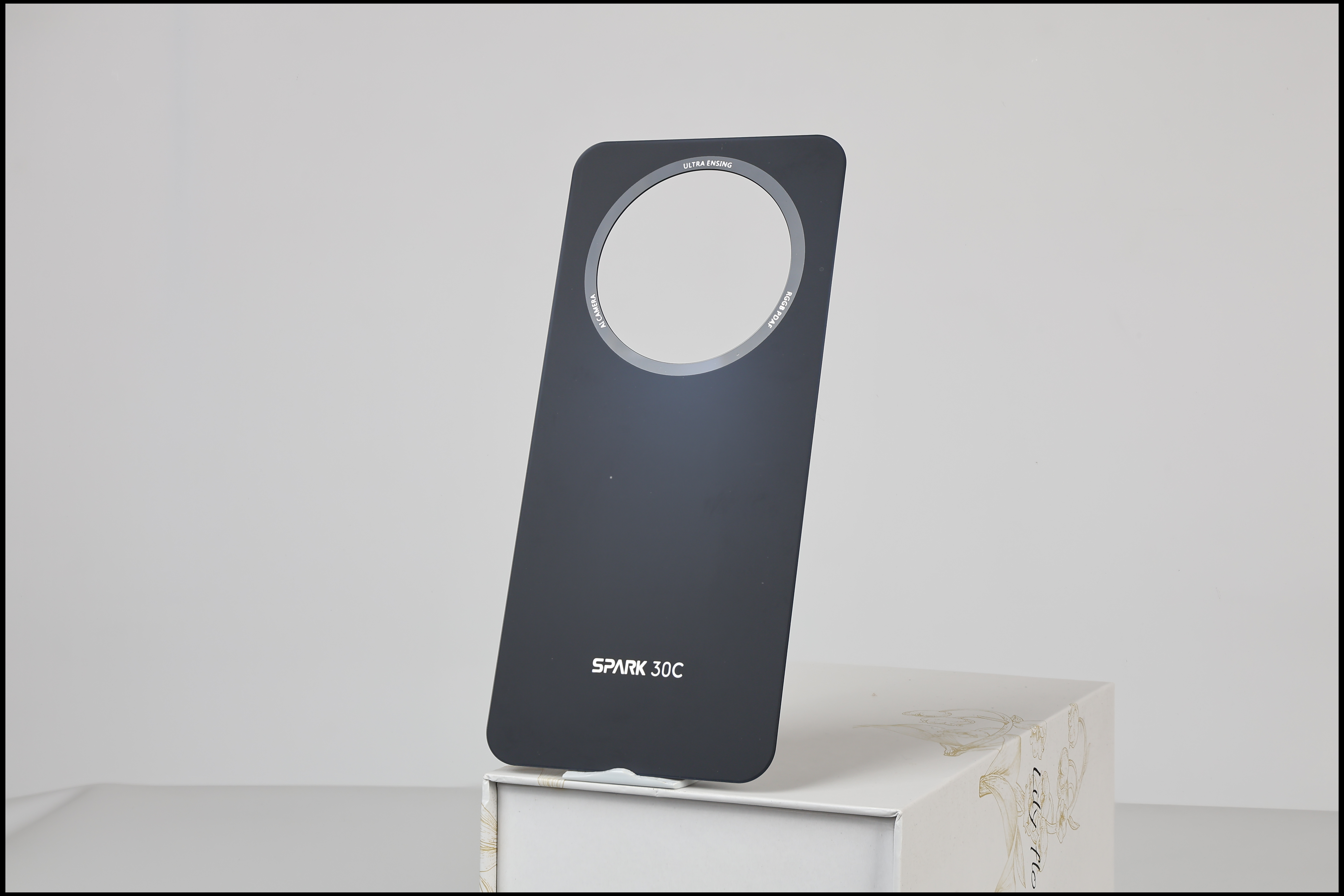
wireless charging back cover: Material Compatibility & Performance Guide
Understand how glass, PC, TPU, and metal back covers affect Qi wireless charging efficiency and what to specify for B2B sourcing
As wireless charging becomes standard across smartphones from Apple, Samsung, Xiaomi, and Huawei, the choice of wireless charging back cover material directly impacts charging speed, thermal management, and user experience. For B2B buyers — OEM manufacturers, accessories distributors, and electronics brands — understanding how glass thickness, material composition, and adhesive layers affect Qi-standard charging efficiency is critical for delivering products that work reliably with third-party chargers and MagSafe accessories.
How Wireless Charging Works Through a Back Cover
Wireless charging relies on electromagnetic induction between a transmitter coil in the charging pad and a receiver coil inside the smartphone. When alternating current flows through the transmitter coil, it generates a magnetic field that induces a current in the receiver coil, which is then converted to DC power to charge the battery. The back cover sits directly between these two coils, acting as a physical barrier through which the magnetic field must pass.
The efficiency of this energy transfer depends on three factors: the magnetic permeability of the materials between the coils, the total distance the field must traverse, and the presence of conductive materials that could generate eddy currents or absorb energy as heat. Each material commonly used for phone back covers affects these factors differently, making material selection a key engineering decision for custom phone back cover projects.
Material Impact on Wireless Charging Efficiency
Different back cover materials have significantly different effects on wireless charging performance. The table below summarizes how each material impacts charging efficiency, thermal behavior, and design considerations:
| Material | Charging Efficiency | Heat Dissipation | Typical Thickness | Key Considerations |
|---|---|---|---|---|
| Tempered Glass | 95% – 98% | Excellent | 0.5mm – 0.85mm | Best overall choice; non-metallic, thermally conductive |
| AG Glass | 94% – 97% | Excellent | 0.5mm – 0.85mm | Same charging performance as clear glass with matte finish |
| Polycarbonate (PC) | 92% – 96% | Moderate | 0.8mm – 1.5mm | Good efficiency; slight thermal insulation |
| TPU | 90% – 95% | Poor | 1.0mm – 2.0mm | Works, but thicker TPU traps heat during charging |
| Aluminum / Metal | Blocked (0%) | N/A | 0.3mm – 0.6mm | Completely blocks Qi charging; not recommended |
| Carbon Fiber | Severely reduced | Moderate | 0.5mm – 1.0mm | Conductive fibers interfere with EM field; avoid |
| Acrylic (PMMA) | 93% – 96% | Moderate | 0.8mm – 1.2mm | Non-conductive; suitable for Qi charging |
| Frosted Glass | 94% – 97% | Excellent | 0.5mm – 0.85mm | Same substrate as clear glass; no charging impact |
The key principle is straightforward: any material that is electrically conductive or magnetically permeable will interfere with the electromagnetic field used for wireless charging. Aluminum, steel, and carbon fiber are all conductive materials that either block or severely attenuate the charging signal. Glass, polycarbonate, TPU, and acrylic are all non-conductive and therefore allow the magnetic field to pass through with minimal energy loss.
Thickness Optimization for Maximum Charging Speed
The total distance between the transmitter and receiver coils is a critical factor in charging efficiency. According to the Qi standard (WPC v1.3), the maximum recommended operating distance (Z-height) between coils is 6mm. This distance includes the phone's internal structure, the built-in back cover (if any), and the external protective back cover. When designing a wireless charging compatible back cover, thickness optimization is essential.
Glass Back Covers: The Thickness Sweet Spot
For tempered glass back covers, the optimal thickness range is 0.5mm to 0.85mm. At these dimensions, glass adds only a minimal amount to the total Z-height while providing excellent scratch resistance (9H hardness) and premium aesthetics. The AB double-sided optical adhesive layer typically adds another 0.1mm–0.15mm, keeping the total added thickness well under 1mm.
0.5mm Glass + Adhesive
Total: ~0.65mm. Maximum charging efficiency. Slightly more fragile during installation.
Efficiency loss: < 2%
0.7mm Glass + Adhesive
Total: ~0.85mm. Industry standard balance of durability and charging performance.
Efficiency loss: 2% – 4%
0.85mm Glass + Adhesive
Total: ~1.0mm. Maximum impact resistance. Slightly reduced charging speed on some Qi pads.
Efficiency loss: 3% – 5%
PC and TPU Shell Considerations
Polycarbonate and TPU back covers are typically thicker than glass panels due to the structural requirements of shell-style designs. PC covers range from 0.8mm to 1.5mm, while TPU cases can be 1.0mm to 2.0mm or more. While these materials are non-conductive and do not block the charging signal, increased thickness means the phone must sit closer to the charging coil for optimal alignment, and some ultra-thin charging pads may struggle to maintain a stable connection through thicker cases.
For glass back covers adhered directly to the device, this thickness concern is minimal. However, for shell-style or wrap-around cases, B2B buyers should specify a maximum wall thickness of 1.5mm for the back panel to ensure reliable Qi charging across all major charger brands and models.
MagSafe and Magnetic Attachment Compatibility
Apple's MagSafe system adds a ring of magnets around the Qi charging coil for precise alignment and accessory attachment. A MagSafe-compatible back cover must accommodate these magnets without degrading charging performance or interfering with the magnetic field pattern.
Design Requirements for MagSafe-Compatible Back Covers
- Magnet array integration — The back cover must include or accommodate a circular array of 18–36 N52-grade neodymium magnets positioned to align with the device's internal MagSafe ring. For magnetic glass covers, magnets are typically embedded in a plastic ring bonded between the glass panel and the adhesive layer.
- Total thickness budget — Adding the magnet ring increases total thickness by approximately 1.0mm–1.5mm. Combined with the glass panel (0.5–0.7mm) and adhesive, the total assembly can reach 2.0mm–2.5mm. This is within Qi tolerance but approaches the limit of effective charging distance.
- Magnetic shielding — A thin mu-metal or soft magnetic shielding layer between the magnets and the Qi coil prevents the magnets from distorting the charging field, maintaining stable power transfer.
- Accessory compatibility — The magnet pattern must match Apple's MagSafe specification to ensure reliable attachment with wallets, car mounts, and battery packs from third-party manufacturers.
Thermal Management During Wireless Charging
Wireless charging generates heat — typically raising the device temperature by 5°C to 15°C during a full charge cycle. The back cover material plays a significant role in how effectively this heat is dissipated or trapped:
Material Thermal Properties for Wireless Charging
Tempered Glass
Thermal conductivity: 1.0 – 1.4 W/(m·K)
Polycarbonate (PC)
Thermal conductivity: 0.19 – 0.22 W/(m·K)
TPU
Thermal conductivity: 0.15 – 0.25 W/(m·K)
Acrylic (PMMA)
Thermal conductivity: 0.17 – 0.20 W/(m·K)
Aluminum
Thermal conductivity: 205 – 237 W/(m·K)
Recommended Max Temp
≤ 45°C (Qi standard limit)
Tempered glass offers the best balance of thermal conductivity and non-conductivity for wireless charging. Its thermal conductivity (1.0–1.4 W/(m·K)) is approximately 5–7 times higher than PC or TPU, allowing heat generated during charging to dissipate through the back cover more effectively. This helps the device stay within the Qi standard's 45°C temperature limit and prevents thermal throttling that would otherwise slow down charging speed.
While aluminum has far superior thermal conductivity, it is electrically conductive and cannot be used for the charging surface. However, some premium back cover designs use aluminum frames with glass or PC inserts over the charging coil area, combining aesthetic appeal with functional wireless charging compatibility.
Adhesive Layer Considerations
The adhesive layer between the glass panel and the device body is often overlooked in charging performance calculations, but it contributes to total thickness and can affect thermal transfer. For glass back cover manufacturing, the standard is AB double-sided optical adhesive:
- AB adhesive — Two-part optical adhesive with a thin protective film (B layer) removed during installation. Thickness: 0.08mm – 0.15mm. Excellent optical clarity and bubble-free bonding.
- OCA (Optically Clear Adhesive) — Solid-state adhesive film used in display lamination. Thickness: 0.05mm – 0.25mm. Superior optical properties but higher cost.
- Liquid UV adhesive — Applied as a liquid and cured with UV light. Allows precise thickness control (0.05mm – 0.1mm) but requires cleanroom conditions for bubble-free results.
For wireless charging applications, the adhesive should be as thin as possible while maintaining reliable bond strength. AB adhesive at 0.08mm–0.10mm is the recommended choice, adding minimal thickness to the overall assembly and maintaining stable charging performance. All adhesive types used in back cover manufacturing are non-conductive and do not interfere with the Qi charging field.
Qi Standard Compliance and Testing
Any wireless charging back cover should be tested against the Wireless Power Consortium (WPC) Qi standard to ensure reliable operation across certified chargers. Key testing parameters include:
Foreign Object Detection (FOD)
The back cover must not cause false FOD triggers. Metallic particles or conductive coatings on the inner surface could be misidentified as a foreign object by the charger, causing it to shut down.
Power Transfer Efficiency (PTE)
Measure the actual charging power delivered through the back cover versus bare-device charging. A quality glass back cover should show < 5% efficiency reduction at 15W Qi charging.
Alignment Tolerance
Test charging performance with the device offset by 5mm, 10mm, and 15mm from the charger center. Glass covers maintain stable charging at wider offsets than thicker plastic cases due to lower total Z-height.
Thermal Profiling
Monitor device temperature during a full 0–100% charge cycle with the back cover installed. Peak temperature should not exceed 43°C–45°C. Glass covers typically run 3°C–5°C cooler than equivalent TPU cases.
Manufacturing Process for Wireless Charging Back Covers
The production of a wireless charging compatible back cover follows a specialized workflow at the manufacturing facility:
Step 1: Material Selection and Cutting
Raw aluminosilicate glass sheets are CNC-cut to device-specific dimensions. For smartphone back covers, the glass type must be non-conductive with controlled thickness (0.5–0.85mm) to optimize wireless charging efficiency.
Step 2: Edge Processing and Tempering
CNC edge grinding creates 2.5D or 3D curved edges. Chemical tempering in KNO3 salt bath at 380°C–420°C for 4–8 hours achieves 9H hardness and 3–5x impact resistance over standard glass.
Step 3: Surface Treatment (Optional)
AG (anti-glare) etching, frosted finish, or other surface treatments are applied as needed. These treatments do not affect wireless charging performance as they are applied to the exterior surface only.
Step 4: UV Printing
Custom designs are UV-printed on the inner surface at 1440 dpi resolution. UV inks are non-conductive and do not interfere with wireless charging. Full-color, photographic, and gradient designs are all compatible.
Step 5: Adhesive Application, CNC Cutting, and QC
AB adhesive is applied (0.08–0.10mm), camera/sensor cutouts are CNC-drilled, and each unit undergoes quality inspection including visual check, adhesion test, hardness verification, and wireless charging compatibility test.
Frequently Asked Questions
Can I use a metal back cover with wireless charging?
Standard metal back covers completely block Qi wireless charging because the conductive metal creates eddy currents that absorb the electromagnetic energy. However, some manufacturers offer hybrid solutions — metal frames with non-metallic (glass or PC) inserts over the charging coil area. These designs maintain the metallic aesthetic while enabling wireless charging. For full-coverage back covers, glass, PC, or TPU are the recommended materials.
How much does a back cover reduce wireless charging speed?
A quality tempered glass back cover (0.5–0.7mm with adhesive) typically reduces charging efficiency by 2%–4%, which translates to a near-imperceptible difference in actual charging time — roughly 5–10 minutes added to a full charge cycle. Thicker covers (1.0mm+) or cases with metal components may cause more significant reductions (5%–15%). UV-printed designs and surface treatments like AG etching have no measurable impact on charging speed.
Do MagSafe magnets in a back cover interfere with wireless charging?
Properly designed MagSafe-compatible back covers include magnetic shielding (typically a thin mu-metal layer) between the magnet ring and the Qi charging coil. This shielding directs the magnetic field from the magnets away from the charging coil, preventing interference. Without proper shielding, magnets can distort the charging field and reduce efficiency by 10%–20%. Always verify that the manufacturer includes adequate magnetic shielding in the design.
Is there a difference in charging speed between glossy and matte glass back covers?
No. AG (anti-glare) and frosted glass back covers charge at the same speed as glossy glass covers of the same thickness. The surface treatment only modifies the exterior texture of the glass and does not change the material composition or thickness. The charging field passes through the glass substrate identically regardless of surface finish.
What specifications should I request when sourcing wireless charging back covers?
Request the following specifications from your supplier: glass type and thickness (recommend aluminosilicate, 0.5–0.7mm), adhesive type and thickness (AB adhesive, 0.08–0.10mm), total assembly thickness, Qi charging efficiency test report (< 5% loss at 15W), FOD compliance verification, thermal profile during charging (peak < 45°C), and MagSafe magnet strength specification if applicable. Request samples for real-world charging speed testing on your target devices before committing to production orders.
Source Wireless Charging Compatible Back Covers
From tempered glass to MagSafe-ready panels, we manufacture Qi-tested back covers for all major smartphone models. Get free samples and technical spec sheets.