
Glass has become an important functional and decorative material in modern consumer electronics. From smartphone back covers and camera lens covers to control panels and sensor windows, precision glass components can influence a product's appearance, durability, and functionality.
For electronics brands and product manufacturers, OEM glass components provide an opportunity to develop customized parts that match specific product designs and technical requirements.
Unlike standard glass products, OEM components are manufactured according to customer-specific drawings, dimensions, materials, surface finishes, and functional requirements.
This guide explains the major types of OEM glass components, their applications, manufacturing processes, customization options, and the factors B2B buyers should consider when selecting a manufacturing partner.
What Are OEM Glass Components?
OEM glass components are custom-manufactured glass parts produced according to a customer's product specifications.
Instead of purchasing standard components, an OEM customer can provide:
-
2D engineering drawings
-
3D CAD files
-
Product samples
-
Material specifications
-
Dimensional requirements
-
Surface finish requirements
-
Functional requirements
The manufacturer then processes the glass according to the approved design.
OEM glass manufacturing is commonly used when standard products cannot meet a device's specific requirements.
Why Consumer Electronics Use Custom Glass Components
Consumer electronics increasingly require materials that combine aesthetics with functional performance.
Glass offers several useful characteristics, including:
-
High optical clarity
-
Premium appearance
-
Good surface hardness
-
Excellent dimensional stability
-
Wireless signal compatibility
-
Flexible surface finishing
-
Customizable shapes and colors
These characteristics make glass suitable for a wide range of electronic products.
Common OEM Glass Components for Consumer Electronics
1. Smartphone Back Covers
Glass back covers are widely used in modern smartphones.
OEM manufacturers can customize:
-
Dimensions
-
Thickness
-
Color
-
Surface finish
-
Camera openings
-
Logo printing
-
Decorative patterns
Popular designs include:
-
Textured glass back covers
2. Camera Lens Covers
Smartphone camera systems require protective glass components that maintain optical performance.
OEM camera glass can be customized for:
-
Single-camera systems
-
Dual-camera systems
-
Triple-camera systems
-
Multi-hole camera layouts
-
Sensor openings
-
Flash openings
Surface treatments such as anti-reflective and anti-fingerprint coatings can also be applied according to the application.
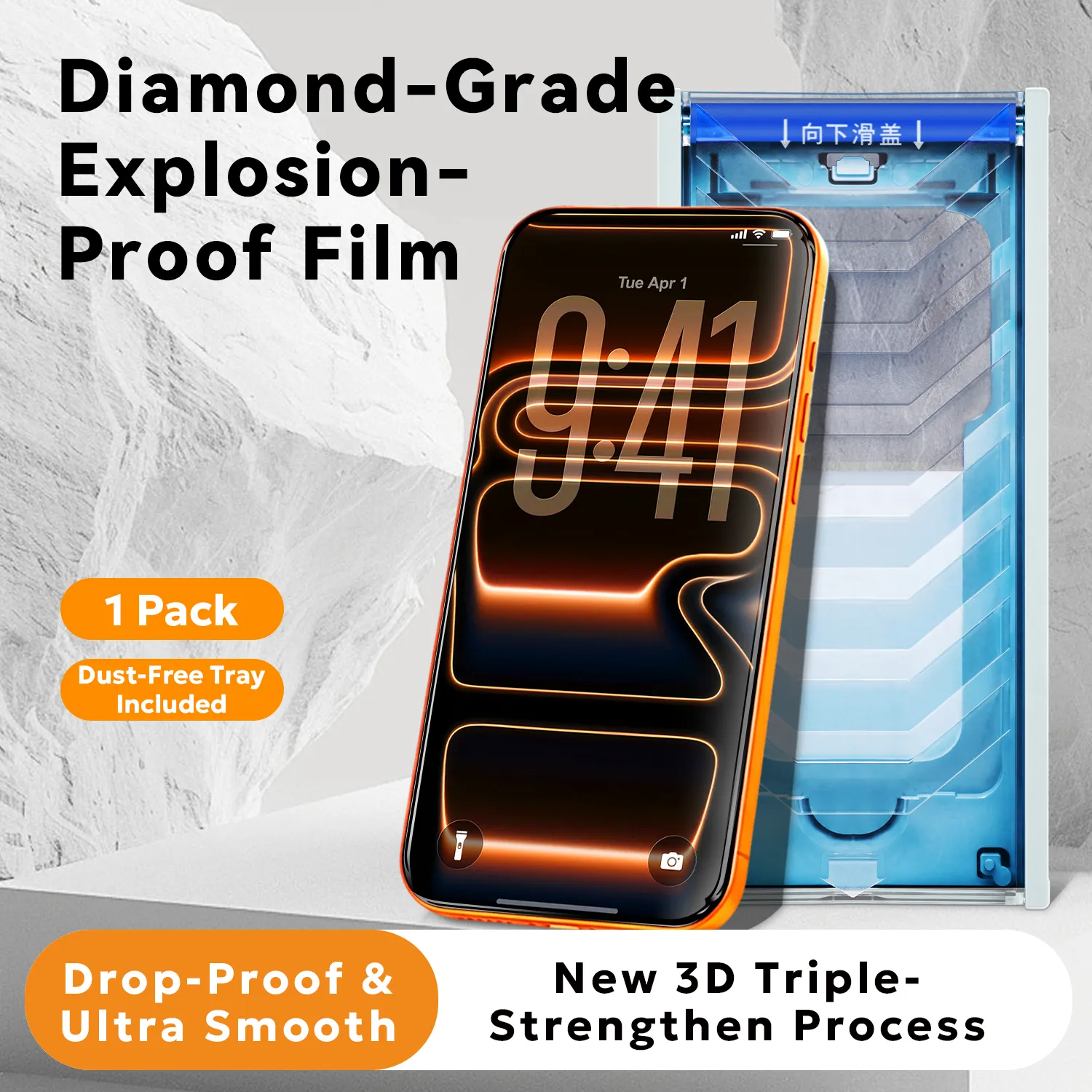
3. Tempered Glass Screen Protectors
Screen protectors are another major application of precision glass.
OEM manufacturers can provide customized products based on:
-
Smartphone model
-
Screen size
-
Glass thickness
-
Edge profile
-
Coating requirements
-
Functional openings
Common solutions include:
-
9H tempered glass
-
2.5D tempered glass
-
Privacy glass
-
Anti-blue-light glass
-
Anti-glare glass
4. Smart Device Cover Plates
Beyond smartphones, customized glass can be used for smart devices and electronic control interfaces.
Applications may include:
-
Smart home control panels
-
Smart locks
-
Touch control panels
-
Sensor covers
-
Electronic switches
-
Portable devices
Glass can provide both a protective surface and a premium user interface.
Materials Used for OEM Glass Components
Selecting the right material is one of the first decisions in an OEM project.
Chemically Strengthened Glass
Chemically strengthened glass is widely used for thin electronic components requiring improved mechanical performance.
Advantages can include:
-
Improved impact resistance
-
Better bending strength
-
High surface hardness
-
Suitable thin profiles
It is particularly useful for smartphone back covers, camera protection, and other portable electronics.
Tempered Glass
Tempered glass can provide enhanced mechanical performance compared with untreated glass.
It is commonly used for:
-
Screen protectors
-
Protective panels
-
Consumer electronics components
The appropriate strengthening method depends on the glass type, thickness, and application.
Specialty Glass
Certain applications may require glass with specific optical, thermal, or mechanical properties.
For specialized projects, material selection should be based on the complete product specification rather than a generic glass grade.
Surface Treatments for OEM Glass
Surface treatment can significantly change both the appearance and functionality of a glass component.
AG Surface Treatment
Anti-glare treatment creates a matte surface that can:
-
Reduce reflections
-
Reduce visible fingerprints
-
Improve grip
-
Create a premium appearance
Frosted Finish
Frosted glass provides a refined visual texture and can help reduce the visibility of fingerprints and minor surface marks.
Gloss Finish
Glossy glass offers:
-
High transparency
-
Strong color depth
-
Reflective appearance
-
Smooth surface feel
It is often used for premium consumer electronics.
Anti-Fingerprint Coating
An anti-fingerprint coating helps reduce visible fingerprints and makes the glass easier to clean.
Oleophobic Coating
Oleophobic coatings help reduce oil adhesion and can improve the surface experience during frequent handling.
Anti-Reflective Treatment
For optical components such as camera lens covers, anti-reflective treatment can help reduce unwanted reflections and improve optical performance.
OEM Glass Component Manufacturing Process
Producing custom glass components involves several controlled manufacturing stages.
Step 1: Engineering Review
The manufacturer reviews customer drawings and specifications.
Engineers evaluate:
-
Dimensions
-
Thickness
-
Hole positions
-
Edge geometry
-
Tolerances
-
Surface requirements
-
Manufacturing feasibility
Step 2: Material Preparation
Glass is selected according to the required:
-
Thickness
-
Optical properties
-
Mechanical requirements
-
Surface quality
Step 3: Precision Cutting
The glass is cut according to the required component dimensions.
High cutting accuracy is important for subsequent processing and final assembly.
Step 4: CNC Machining
Precision CNC processing can create:
-
Holes
-
Camera openings
-
Sensor openings
-
Complex profiles
-
Edge structures
This enables manufacturers to produce customized components according to customer drawings.
Step 5: Edge Grinding and Polishing
Edges are processed to achieve the required:
-
Geometry
-
Smoothness
-
Appearance
-
Mechanical performance
Step 6: Strengthening
Depending on the application, glass may undergo chemical strengthening or another suitable strengthening process.
This improves the component's resistance to mechanical stress.
Step 7: Surface Treatment
The manufacturer applies the specified surface finish or coating, such as:
-
AG
-
Frosted
-
Gloss
-
Anti-fingerprint
-
Oleophobic
-
Anti-reflective
Step 8: Decorative Processing
Depending on the product design, manufacturers can add:
-
Logos
-
Borders
-
Colors
-
Patterns
-
Gradient effects
-
Other decorative elements
Step 9: Quality Inspection
Finished products are inspected for:
-
Dimensions
-
Thickness
-
Flatness
-
Surface defects
-
Edge quality
-
Color consistency
-
Coating performance
-
Optical quality
Benefits of OEM Glass Manufacturing
Design Flexibility
OEM production allows brands to develop components that match their specific industrial design rather than adapting their products to standard components.
Product Differentiation
Customized glass finishes, colors, textures, and shapes can help products stand out in competitive markets.
Functional Integration
Glass components can be designed around:
-
Cameras
-
Sensors
-
Wireless charging systems
-
Touch interfaces
-
Other electronic components
Consistent Production
A qualified OEM manufacturer can establish standardized production processes to maintain consistent quality across large production runs.
Better Product Development
Working directly with a manufacturer can allow engineering teams to optimize designs for manufacturability before mass production.
OEM vs Standard Glass Components
| Factor | OEM Glass Components | Standard Components |
|---|---|---|
| Dimensions | Fully customizable | Fixed |
| Material | Project-specific | Limited |
| Surface Finish | Customizable | Standard options |
| Shape | Custom | Predefined |
| Functional Openings | Custom | Limited |
| Branding | Available | Limited |
| Production Volume | Project-dependent | Usually readily available |
| Engineering Support | Available | Usually limited |
For products with unique industrial designs, OEM manufacturing provides significantly greater flexibility.
What Should B2B Buyers Consider When Choosing a Supplier?
Engineering Capability
The supplier should be able to evaluate customer drawings and provide manufacturing recommendations.
Precision Processing
Check whether the manufacturer has the equipment and experience required for:
-
CNC machining
-
Edge processing
-
Precision cutting
-
Strengthening
-
Surface treatment
Quality Control
Ask about inspection procedures for:
-
Dimensions
-
Surface defects
-
Optical quality
-
Coatings
-
Color consistency
Prototype Development
Request prototypes before mass production to validate the design.
Production Capacity
Make sure the manufacturer can maintain consistent quality at the required production volume.
Communication
For international OEM projects, clear technical communication is essential.
Why Choose Tenwinglass?
Tenwinglass specializes in customized glass components for smartphones and consumer electronics.
Our capabilities include:
-
AG Glass Back Covers
-
Wireless Charging Back Covers
-
Magnetic Phone Back Covers
-
Frosted Glass Back Covers
-
Tempered Glass Back Covers
-
One-piece Glass Back Covers
-
Camera Lens Covers
-
Camera Lens Protectors
-
Tempered Glass Screen Protectors
-
Custom Glass Cover Plates
With more than 10 years of experience in the industry, Tenwinglass provides OEM and ODM support from product development through mass production.
Our capabilities cover:
-
Engineering review
-
Material selection
-
Precision cutting
-
CNC machining
-
Edge grinding and polishing
-
Glass strengthening
-
Surface treatment
-
Decorative processing
-
Quality inspection
-
Mass production
This integrated manufacturing approach allows customers to develop customized glass components while working with a single experienced manufacturing partner.
Conclusion
OEM glass components provide consumer electronics brands with greater flexibility in product design, functionality, and branding. From smartphone back covers and camera lens covers to screen protectors and smart device cover plates, custom glass can be engineered for a wide range of applications.
However, successful OEM production requires more than customized dimensions. Material quality, precision machining, surface treatment, strengthening technology, quality control, and production consistency all influence the final product.
For B2B buyers, selecting a manufacturer with strong engineering capabilities and integrated production processes can reduce development risks and improve the reliability of mass production.
Looking for a reliable OEM glass components manufacturer for your consumer electronics project? Contact Tenwinglass to discuss your design requirements, request samples, or develop a customized OEM/ODM manufacturing solution.