
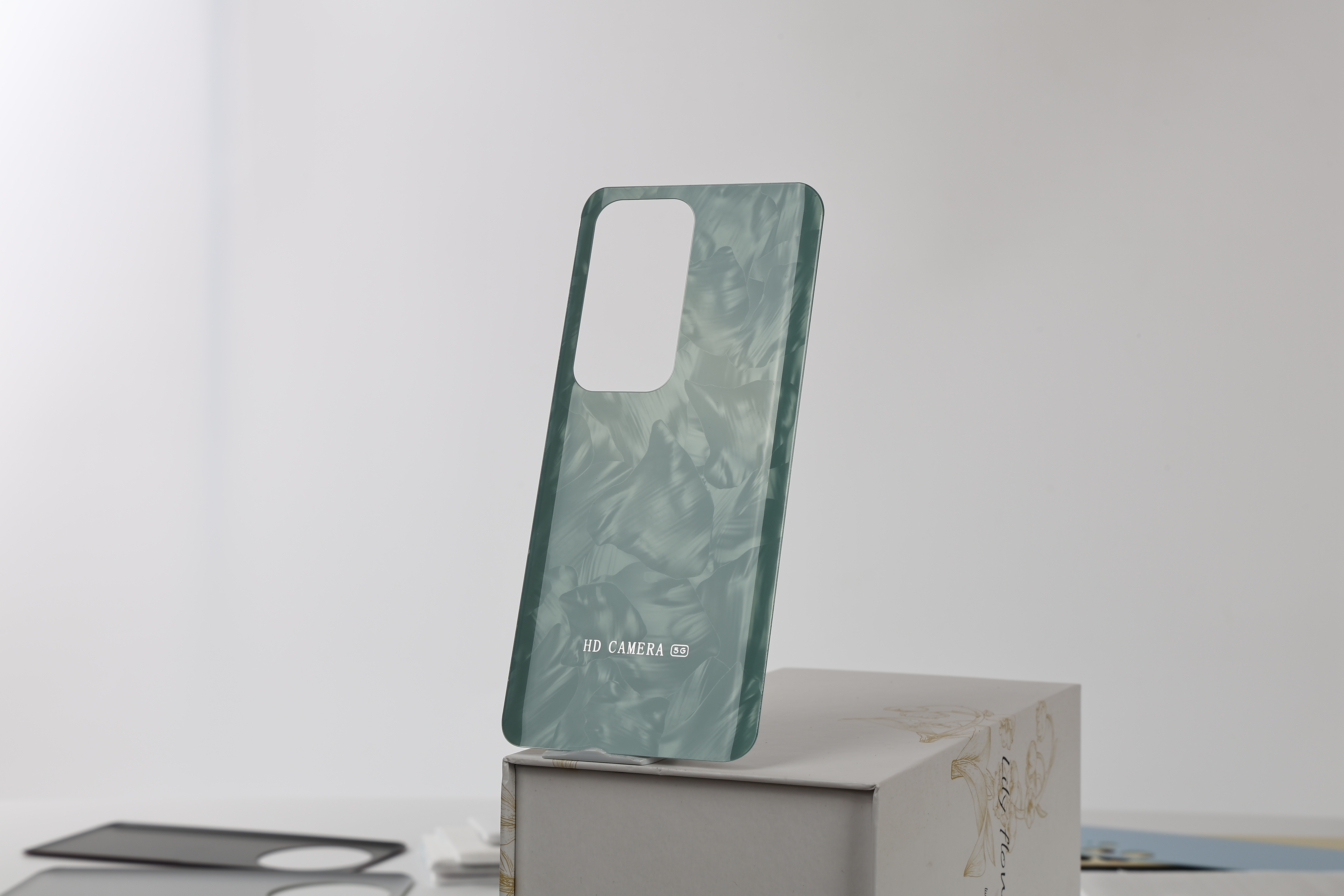
As smart devices become more sophisticated, manufacturers need materials that combine protection, functionality, and modern aesthetics. Custom glass cover plates have become an important component in products such as smart home devices, control panels, smart locks, sensors, and other consumer electronics.
Unlike standard glass panels, custom glass cover plates are designed and manufactured according to the specific dimensions, functions, and appearance requirements of each device.
For OEM and ODM customers, choosing the right glass material, surface treatment, processing technology, and manufacturing partner is essential to achieving a reliable finished product.
This guide explains the key considerations involved in designing and manufacturing custom glass cover plates for smart devices.
What Is a Custom Glass Cover Plate?
A custom glass cover plate is a precision-manufactured glass component designed to protect or interface with electronic components inside a smart device.
Depending on the application, it may function as:
-
A protective window
-
A touch interface
-
A sensor cover
-
A decorative panel
-
A control panel surface
-
A structural or semi-structural component
Unlike generic glass products, custom glass cover plates can be manufactured according to specific product drawings and technical requirements.
Typical customization options include:
-
Dimensions
-
Thickness
-
Shape
-
Edge profile
-
Surface finish
-
Color
-
Printing
-
Openings
-
Coatings
Where Are Custom Glass Cover Plates Used?
Custom glass cover plates can be used across a wide range of smart devices.
Smart Home Control Panels
Glass panels can provide a clean and premium surface for:
-
Smart lighting controls
-
Home automation interfaces
-
Touch switches
-
Central control panels
The glass can be customized to accommodate touch sensors, LEDs, icons, and printed control indicators.
Smart Locks
Smart locks may use customized glass or decorative glass components around:
-
Fingerprint sensors
-
Keypads
-
Touch controls
-
Status indicators
The glass can protect sensitive electronic components while contributing to the overall appearance of the lock.
Sensor Devices
Sensors used in smart homes and consumer electronics may require transparent or semi-transparent protective windows.
Applications can include:
-
Motion sensors
-
Environmental sensors
-
Optical sensors
-
Proximity sensors
The glass specifications should be selected according to the sensor's optical and functional requirements.
Electronic Control Panels
Industrial and consumer electronic devices may use glass cover plates as interfaces for:
-
Touch controls
-
Buttons
-
Displays
-
Status indicators
A customized glass panel can combine protection with a premium user interface.
Portable Smart Devices
Glass cover plates can also be integrated into:
-
Handheld terminals
-
Smart appliances
-
Portable electronics
-
Consumer control devices
The design should be optimized according to the device's dimensions, weight, and operating environment.
Why Use Glass for Smart Devices?
Glass provides several characteristics that make it suitable for modern electronic products.
Premium Appearance
Glass creates a clean and refined appearance that can enhance the perceived quality of a smart device.
It supports different finishes, including:
-
Gloss
-
Matte
-
Frosted
-
Textured
Surface Durability
Properly processed glass can provide good resistance to:
-
Scratches
-
Daily wear
-
Surface abrasion
Strengthening and protective coatings can further improve durability.
Optical Clarity
For devices that use sensors, cameras, displays, or indicator lights, optical clarity can be important.
High-quality glass can provide excellent transparency while protecting the underlying components.
Easy to Customize
Glass can be processed into different:
-
Shapes
-
Sizes
-
Thicknesses
-
Edge profiles
-
Openings
This makes it suitable for products with unique industrial designs.
Material Selection for Custom Glass Cover Plates
Choosing the appropriate glass material depends on the application's performance requirements.
Chemically Strengthened Glass
Chemically strengthened glass is suitable for thin components that require improved mechanical performance.
Potential benefits include:
-
Better impact resistance
-
Higher bending strength
-
Improved surface durability
-
Thin profile capability
Tempered Glass
Tempered glass can be used when increased mechanical performance is required.
It is commonly considered for protective panels and other applications where durability is important.
Specialty Glass
Certain smart devices may require glass with specific:
-
Optical properties
-
Thermal performance
-
Chemical resistance
-
Surface characteristics
The material should therefore be selected based on the actual device requirements rather than simply choosing a generic glass specification.
Surface Finishes for Custom Glass Cover Plates
Surface treatment can influence both appearance and functionality.
Gloss Finish
A glossy surface provides:
-
High transparency
-
Smooth appearance
-
Strong color depth
-
Premium visual quality
It is often used for consumer electronics with a polished industrial design.
Frosted Finish
Frosted glass creates a softer visual effect and can help reduce the visibility of fingerprints.
It can be suitable for:
-
Smart switches
-
Control panels
-
Smart locks
-
Decorative electronic panels
AG Surface Treatment
Anti-glare treatment can reduce surface reflections and provide a matte texture.
Potential benefits include:
-
Reduced glare
-
Improved visual comfort
-
Better grip
-
Premium appearance
Anti-Fingerprint Coating
Smart devices are frequently touched, making fingerprint resistance an important consideration.
An anti-fingerprint coating can help:
-
Reduce visible fingerprints
-
Make the surface easier to clean
-
Maintain a cleaner appearance
Custom Printing and Decoration
Glass cover plates can also be customized with decorative and functional printing.
Manufacturers may provide:
-
Logos
-
Icons
-
Borders
-
Labels
-
Decorative patterns
-
Gradient effects
-
Transparent printing
For smart control panels, printed symbols can be integrated directly into the glass surface to create a clean and consistent user interface.
Printing accuracy is particularly important when graphics must align with sensors, buttons, displays, or LEDs underneath the glass.
Design Considerations for Custom Glass Cover Plates
Before beginning production, engineers should evaluate several important factors.
1. Dimensions
The overall dimensions must match the device housing precisely.
Critical dimensions may include:
-
Length
-
Width
-
Thickness
-
Corner radius
-
Hole positions
2. Edge Design
Edges can be customized according to the device structure.
Common options include:
-
Straight edges
-
Rounded edges
-
Chamfered edges
-
Polished edges
Proper edge processing can improve both appearance and mechanical reliability.
3. Thickness
Glass thickness should be selected based on:
-
Required strength
-
Device structure
-
Weight limitations
-
Assembly method
-
Operating environment
A thicker panel is not necessarily better for every application.
4. Openings and Cutouts
Custom glass may require openings for:
-
Buttons
-
Sensors
-
Cameras
-
LEDs
-
Speakers
-
Connectors
These openings must be manufactured with high precision to ensure proper assembly.
5. Touch Functionality
For touch-sensitive devices, the glass cover plate must be compatible with the underlying touch sensor.
Important considerations include:
-
Glass thickness
-
Surface flatness
-
Adhesive layer
-
Touch sensitivity
-
Coating characteristics
Prototype testing should be performed before mass production.
Manufacturing Process of Custom Glass Cover Plates
Step 1: Engineering Review
The manufacturer reviews customer drawings and technical specifications.
Engineers evaluate:
-
Material requirements
-
Dimensions
-
Tolerances
-
Openings
-
Edge geometry
-
Surface treatments
-
Manufacturing feasibility
Step 2: Material Preparation
The selected glass is prepared according to the required:
-
Thickness
-
Surface quality
-
Optical properties
-
Mechanical specifications
Step 3: Precision Cutting
The glass is cut to the required shape and dimensions.
Step 4: CNC Machining
CNC processing can create:
-
Holes
-
Cutouts
-
Special profiles
-
Corner geometries
-
Precision edges
This stage is particularly important for custom components with complex shapes.
Step 5: Edge Grinding and Polishing
Edges are processed to achieve the specified geometry and surface finish.
Proper edge processing helps improve:
-
Appearance
-
Safety
-
Mechanical reliability
-
Assembly performance
Step 6: Strengthening
Depending on the application, the glass can undergo a suitable strengthening process to improve its mechanical performance.
Step 7: Surface Treatment
The manufacturer applies the required finish or coating, such as:
-
AG
-
Frosted
-
Gloss
-
Anti-fingerprint
-
Oleophobic
-
Anti-reflective
Step 8: Decorative Printing
Logos, icons, borders, and other graphics can be printed according to the approved design.
Step 9: Quality Inspection
Finished glass cover plates should be inspected for:
-
Dimensions
-
Thickness
-
Flatness
-
Surface defects
-
Edge quality
-
Printing accuracy
-
Color consistency
-
Coating performance
Benefits of OEM Custom Glass Cover Plates
For smart device manufacturers, OEM production offers several advantages.
Product-Specific Design
Components can be designed specifically for the device instead of adapting the product to standard glass dimensions.
Brand Differentiation
Customized colors, textures, printing, and surface finishes can reinforce brand identity.
Functional Integration
The glass can be designed around:
-
Sensors
-
Touchscreens
-
LEDs
-
Buttons
-
Cameras
Production Scalability
Once the design is validated, the manufacturer can transition from prototypes to mass production.
Engineering Collaboration
Working directly with the manufacturer allows design issues to be identified and resolved before production.
How to Choose a Custom Glass Cover Plate Manufacturer
When evaluating suppliers, consider:
Glass Processing Capability
Can the supplier handle precision cutting, CNC machining, edge processing, and strengthening?
Surface Treatment
Can they provide the required:
-
AG
-
Frosted
-
Gloss
-
Anti-fingerprint
-
Anti-reflective
finishes?
Customization
Can the supplier manufacture according to your drawings rather than only offering standard products?
Quality Control
Ask how the manufacturer controls:
-
Dimensional tolerances
-
Surface defects
-
Coating consistency
-
Printing accuracy
-
Batch consistency
Prototype Support
Can the supplier provide prototypes for engineering validation before mass production?
Production Capacity
Ensure the supplier can maintain consistent quality and delivery schedules at commercial volumes.
Why Choose Tenwinglass?
Tenwinglass specializes in customized glass components for smartphones, smart devices, and consumer electronics.
Our product capabilities include:
-
Custom Glass Cover Plates
-
Smart Device Glass Panels
-
Camera Lens Covers
-
Camera Lens Protectors
-
Tempered Glass Components
-
Frosted Glass Components
With more than 10 years of industry experience, Tenwinglass provides OEM and ODM support throughout the product development process.
Our capabilities cover:
-
Engineering review
-
Material selection
-
Precision cutting
-
CNC machining
-
Edge grinding and polishing
-
Glass strengthening
-
Surface treatment
-
Decorative printing
-
Quality inspection
-
Mass production
This integrated approach allows brands to develop customized glass components while working directly with an experienced manufacturing partner.
Conclusion
Custom glass cover plates provide smart device manufacturers with a flexible solution for combining protection, functionality, and premium design.
From smart locks and control panels to sensors and other consumer electronics, glass can be customized in terms of material, thickness, shape, surface finish, printing, and functional openings.
For OEM and ODM projects, successful production depends on more than the glass itself. Precision processing, edge quality, strengthening, surface treatment, quality control, and engineering support all contribute to the final result.
Choosing an experienced manufacturer such as Tenwinglass can help reduce development risks, improve production consistency, and turn customized designs into reliable mass-produced components.
Looking for a reliable custom glass cover plate manufacturer? Contact Tenwinglass to discuss your drawings, material requirements, surface treatments, and OEM/ODM production needs.