
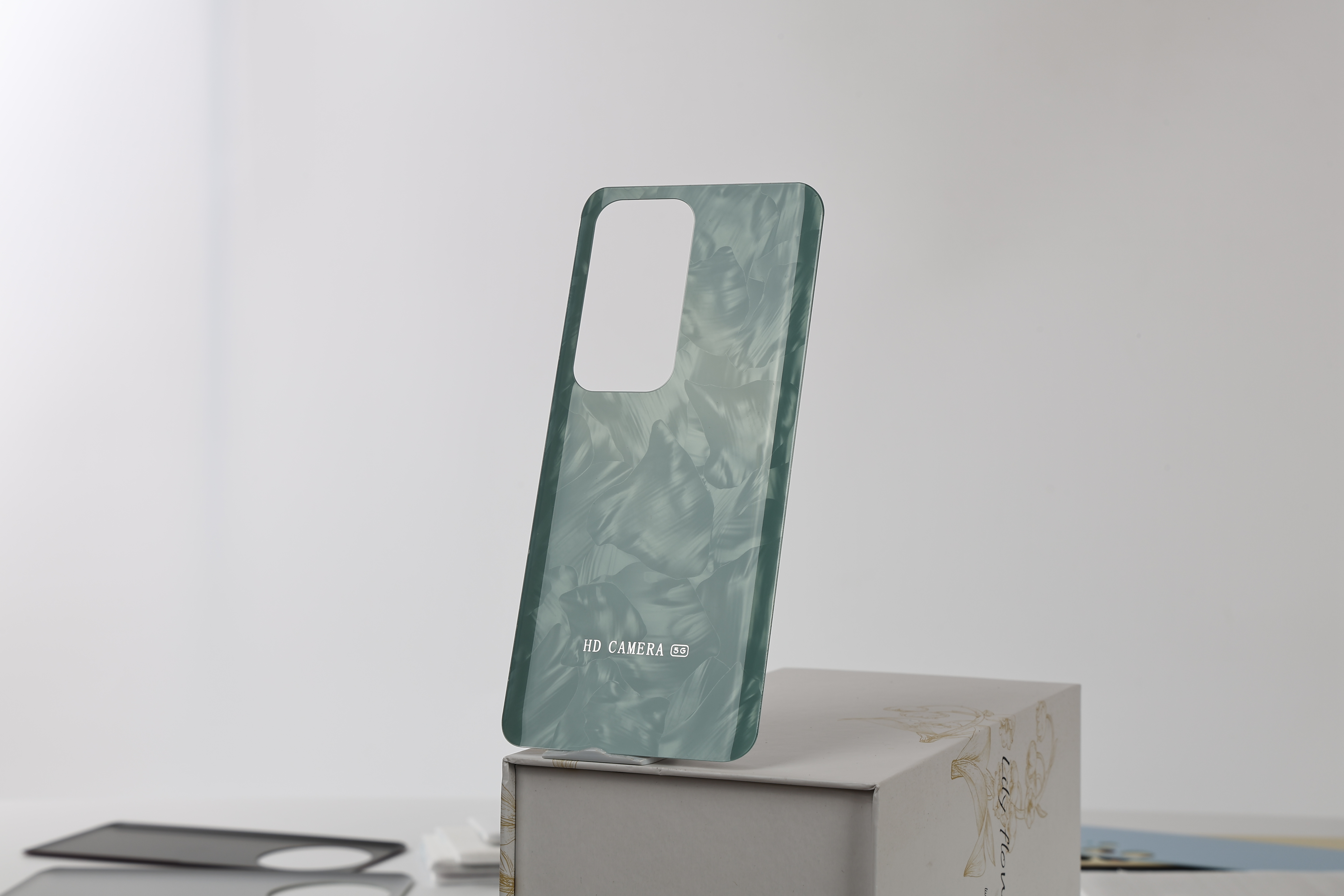
Optimizing Handheld Device Ergonomics with a Precision Molded textured back cover
Elevating user experience through advanced material science and ergonomic surface engineering.
The Challenge of Modern Device Handling
In the current landscape of consumer electronics, smartphones and handheld terminals have become increasingly sleek, often utilizing polished glass and high-gloss metals. While aesthetically pleasing, these smooth surfaces present a significant challenge: a lack of tactile security. Professional users and everyday consumers alike face the persistent risk of accidental drops, user fatigue during prolonged use, and the visual degradation caused by unsightly fingerprints.
The central question for device manufacturers (OEMs) and hardware designers is how to maintain a premium aesthetic while significantly improving physical handling and protection. At tenwinglass, we believe the answer lies in the strategic implementation of a high-quality Textured Back Cover. This article serves as a comprehensive guide to understanding how texture-driven design can revolutionize your product's market appeal and functional durability.
What You Will Gain from This Guide:
- A deep understanding of ergonomic surface friction and its impact on user retention.
- Technical insights into AG glass, TPU, and PC molding processes.
- Strategies for integrating a Textured Back Cover to enhance brand identity.
- A framework for evaluating material durability and impact resistance.
Understanding the Material Science Behind Texture
To appreciate the value of a Textured Back Cover, one must first understand the relationship between surface topology and friction. Surface texture is not merely a visual choice; it is a calculated engineering decision involving the "Coefficient of Friction" (CoF).
Core Terminology
- AG Glass (Anti-Glare): A specialized glass surface treated via chemical etching to create a microscopic "hilly" structure that diffuses light and increases grip.
- TPU Injection Molding: Thermoplastic Polyurethane used to create soft-touch, high-friction patterns.
- Tactile Feedback: The physical sensation transmitted to the user's hand, signaling a secure hold.
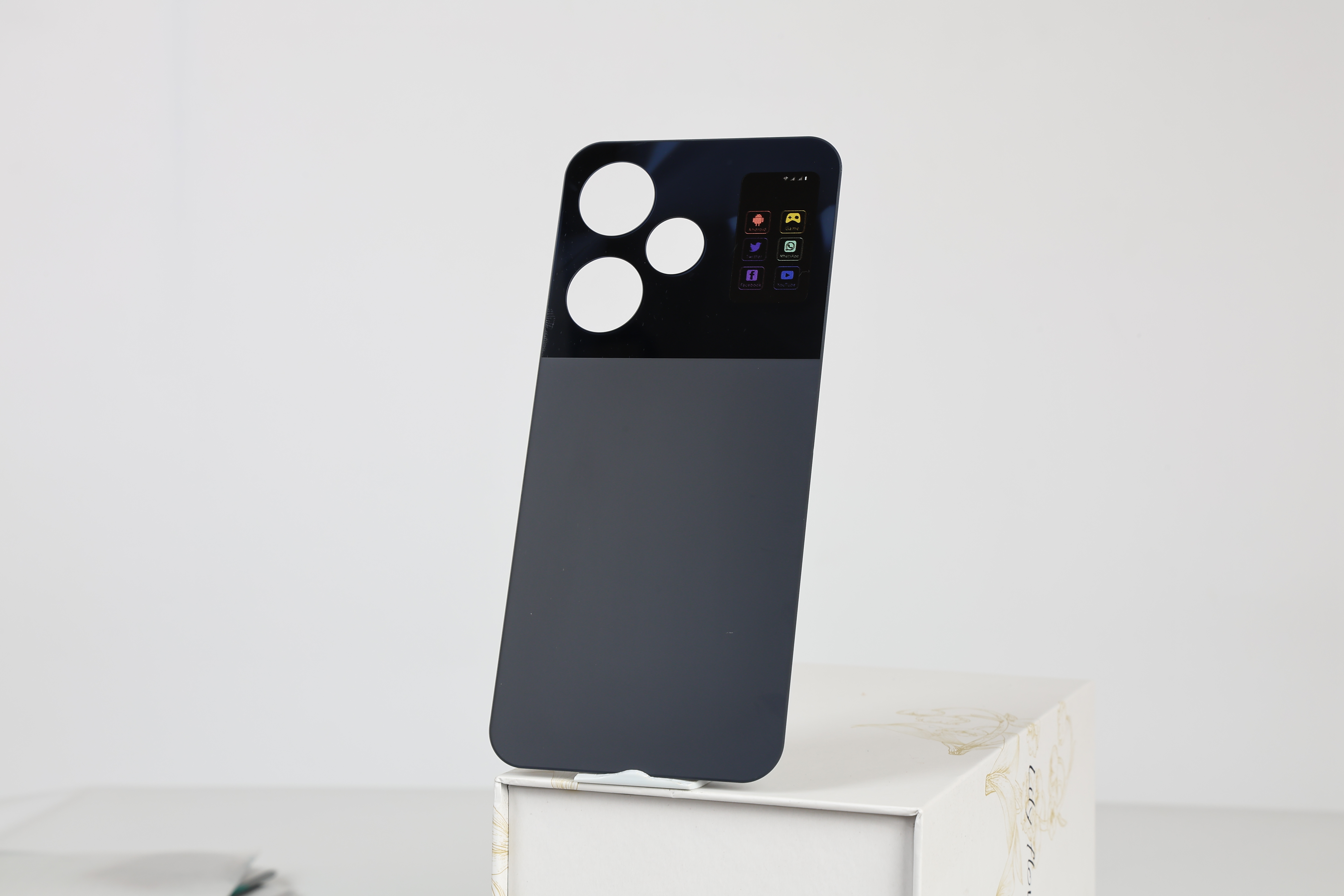
Technical Deep Dive: Designing the Perfect Grip
Creating a Textured Back Cover involves more than just adding bumps to a mold. Based on tenwinglass's extensive experience in providing battery back cover solutions, we utilize a three-stage approach to surface optimization.
1. Surface Geometry and Micro-Structures
We analyze the contact points between the human palm and the device. By implementing a variable-density pattern, we can provide maximum friction where it is needed most—along the edges and central grip zone—while maintaining a smoother finish for aesthetic branding areas. This is particularly evident in our textured back cover series designed for high-end smartphones.
2. Chemical vs. Mechanical Texturing
| Feature | Chemical Etching (AG Glass) | Mechanical Molding (TPU/PC) |
|---|---|---|
| Hand Feel | Silky, Premium, "Frosted" | Rugged, Sharp, Highly Secure |
| Durability | Immune to wear; part of the glass | Resistant to impact; may wear over years |
| Best For | Flagship Smartphones | Industrial Terminals / Rugged Cases |
Why Tenwinglass is Your Ideal Strategic Partner
Quality assurance in Textured Back Cover manufacturing requires a combination of high-precision equipment and rigorous testing protocols. At tenwinglass, we have spent years perfecting the balance between visual elegance and structural integrity.
Precision Tolerance
Our molding process maintains a 0.05mm tolerance, ensuring that every Textured Back Cover fits the device chassis perfectly without gaps.
Advanced AG Coating
Our AG glass technology provides superior smudge resistance and a unique matte texture.
Rapid Prototyping
We transition from design to physical samples with industry-leading speed, helping you meet aggressive launch timelines.
Frequently Asked Questions
How does a Textured Back Cover affect wireless charging?
Our designs are engineered with electromagnetic transparency in mind. Whether using textured glass or TPU, we ensure the material thickness and pattern do not interfere with Qi-standard induction coils.
Is the texture prone to collecting dust or debris?
We apply an oleophobic and anti-static coating to all our textured back cover products. This ensures that while the grip is enhanced, the surface remains easy to clean and resistant to environmental buildup.
Can we customize the specific pattern for brand differentiation?
Absolutely. tenwinglass specializes in OEM/ODM services. We can incorporate your company logo within the texture or create a bespoke geometric pattern unique to your brand identity.
Ready to Enhance Your Device Ergonomics?
Contact our technical engineering team today to discuss your project specifications and receive a professional quotation.
© 2026 tenwinglass. All Rights Reserved. Professional Glass and TPU Cover Manufacturing Excellence.