
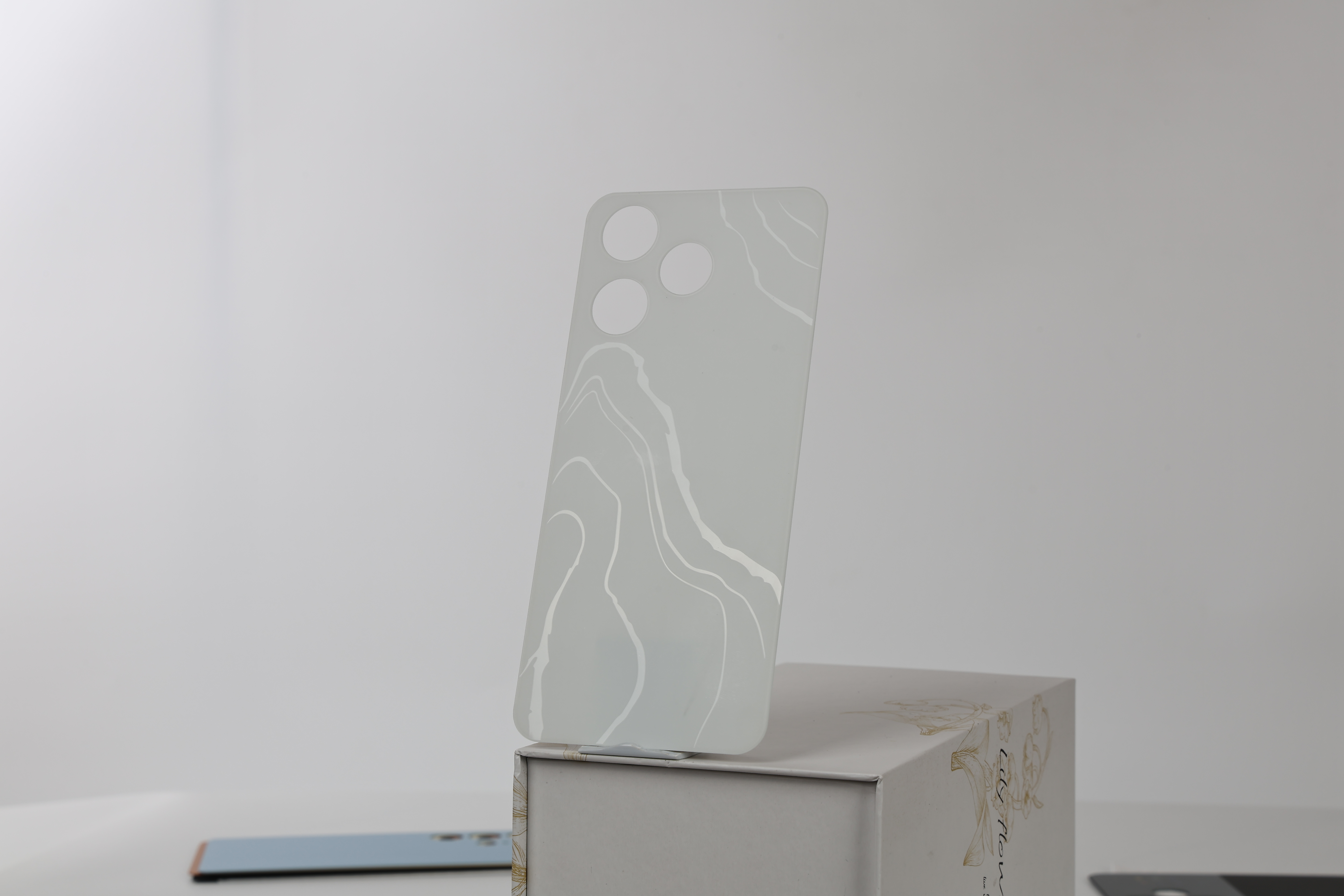
Technical Integration of wireless charging back cover Components in Modern Smartphones
Master the complexities of electromagnetic transparency and structural integrity in next-generation device design with high-performance glass solutions.
Introduction: The Challenge of Seamless Power Delivery
In the highly competitive smartphone industry, the transition from metallic enclosures to non-conductive materials has been driven by one critical necessity: wireless power. For many original equipment manufacturers (OEMs), integrating a Wireless Charging Back Cover is not merely an aesthetic choice but a technical hurdle involving signal attenuation, thermal management, and physical durability.
As devices become thinner and internal components more densely packed, how can engineers ensure that the battery back cover facilitates efficient energy transfer without compromising the device's structural rigidity? This technical guide explores the strategic integration of components within a Wireless Charging Back Cover, providing a roadmap for brands to achieve peak performance and premium tactile appeal.
In this guide, you will learn:
Core material properties required for inductive charging.
Step-by-step engineering considerations for coil alignment.
Quality standards for AG and tempered glass finishes.
Fundamental Concepts: Why Material Choice Matters
To understand the role of a Wireless Charging Back Cover, one must first understand Faraday’s Law of Induction. Traditional aluminum or stainless steel covers create "Eddy currents" that block electromagnetic fields, rendering wireless charging impossible. This is why modern flagships utilize dielectric materials such as glass, acrylic, or specialized polycarbonate.
Tempered Glass
Offers the highest scratch resistance and a premium feel. Ideal for high-end flagship devices requiring tempered glass back cover durability.
AG (Anti-Glare) Glass
Utilizes chemical etching to reduce fingerprints and glare, which is often found in AG glass back cover implementations for professional-grade aesthetics.
Engineering the Wireless Charging Back Cover: A Deep Dive
Successfully implementing a Wireless Charging Back Cover requires a multi-layered approach to design. At tenwinglass, we focus on the synergy between the protective outer shell and the internal electronic components.
1. Thickness Optimization and Permeability
The efficiency of wireless power transfer is inversely proportional to the distance between the transmitter and receiver coils. Our engineering team ensures that the glass battery back cover maintains a thickness between 0.5mm and 0.8mm. This range provides the perfect balance between impact resistance and electromagnetic permeability.
2. Thermal Management Systems
Inductive charging generates heat. Without proper ventilation or conductive dissipation, the battery's lifespan can be significantly reduced. We recommend integrating graphite cooling sheets on the underside of the Wireless Charging Back Cover to distribute thermal energy evenly across the surface.
3. Magnetic Alignment Integration
To prevent energy loss, many modern designs incorporate a series of magnets. This magnetic phone back cover technology ensures that the device snaps perfectly into place on the charging pad, maximizing the flux linkage between coils.
Why Professional Manufacturers Trust tenwinglass
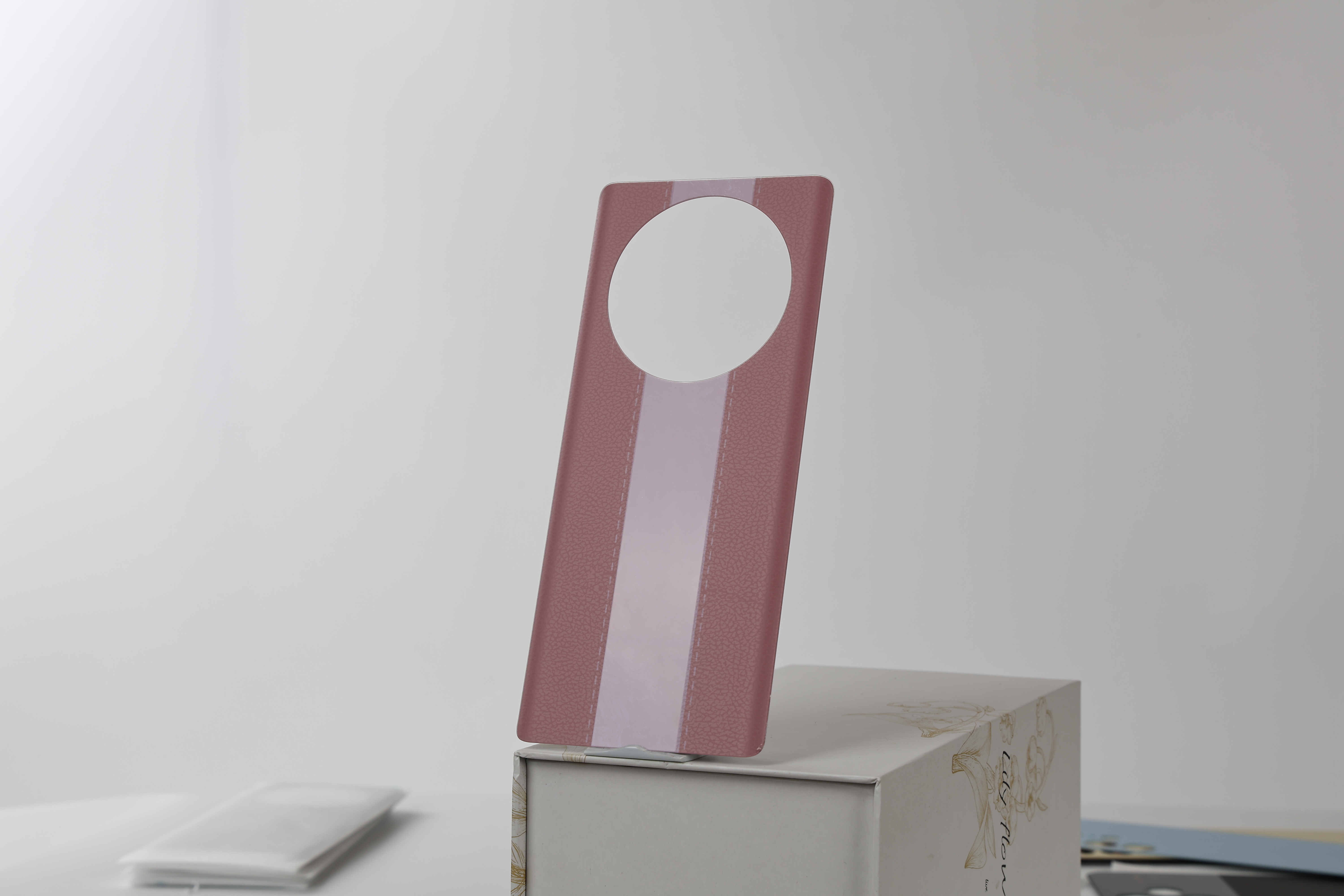
With over a decade of experience in the glass processing industry, tenwinglass has perfected the manufacturing of complex one-piece glass back covers. Our facility utilizes advanced CNC machining and chemical strengthening processes to ensure every component meets rigorous international standards.
Precision CNC
Accuracy within 0.05mm for perfect camera and sensor alignment.
9H Hardness
Utilizing premium tempered materials to resist daily wear and tear.
Custom Finishes
From frosted glass to textured AG finishes for brand differentiation.
Frequently Asked Questions
How does the thickness of the glass affect charging speed?
Every additional millimeter of thickness can decrease charging efficiency by approximately 10-15%. Our Wireless Charging Back Cover designs are optimized to keep the gap minimal while maintaining drop protection.
Is it possible to customize the camera hole configuration?
Yes, we specialize in various porous glass back covers that are tailored to your specific camera module layout, ensuring no interference with flash or sensor functions.
Does tenwinglass support small-scale OEM prototyping?
We work with both large-scale manufacturers and specialized brands to provide high-quality components for market entry, ensuring consistent quality across all volumes.
What materials are best for anti-drop performance?
Our anti-drop back cover technology utilizes chemically strengthened aluminosilicate glass which provides superior impact resistance compared to standard soda-lime glass.
Ready to Elevate Your Device Design?
Partner with tenwinglass for high-precision components that define modern smartphone excellence.
tenwinglass: Professional Manufacturer of Glass Back Covers and Screen Protectors.
© 2026 tenwinglass. All Rights Reserved.