
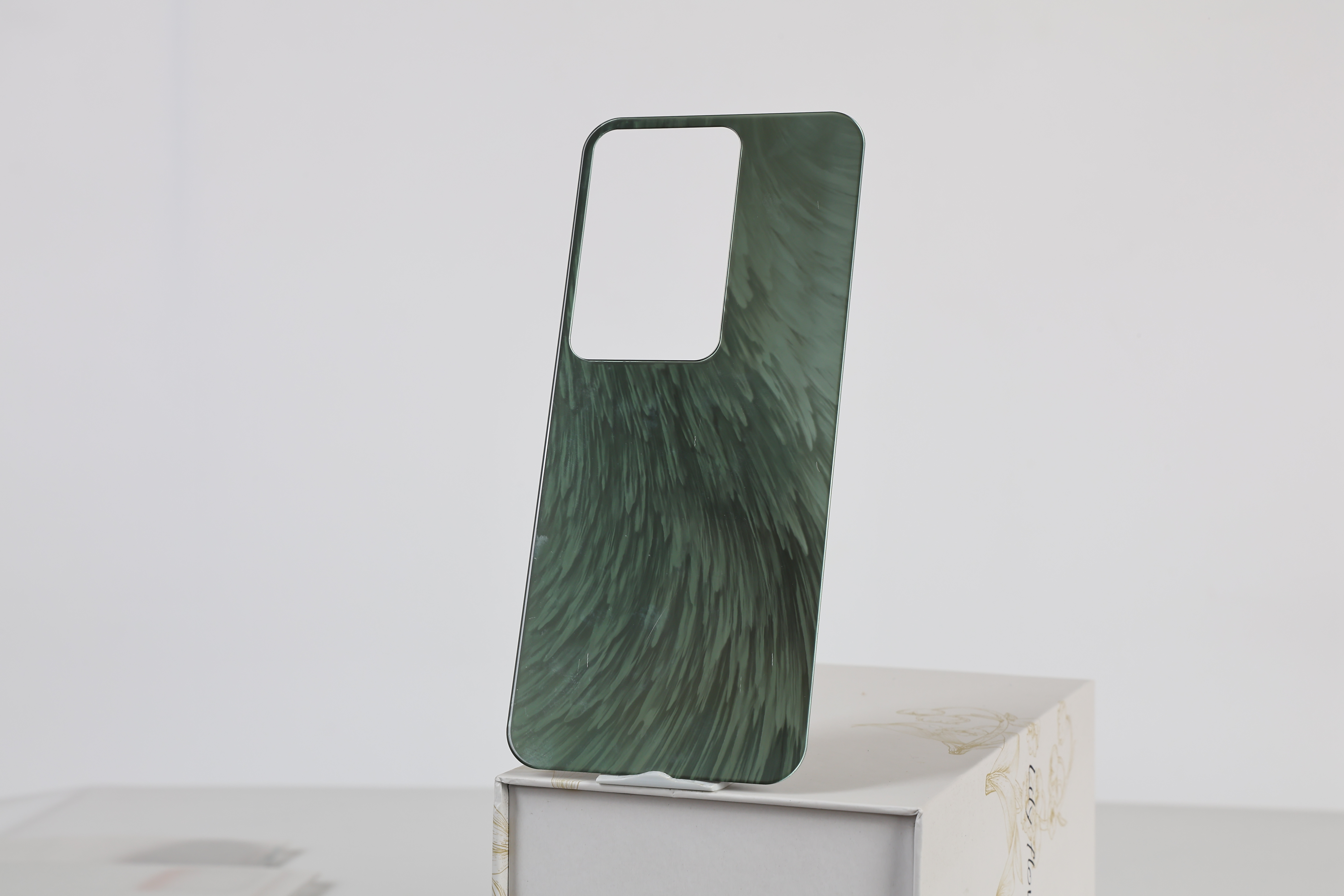
A comprehensive material comparison guide for smartphone manufacturers, OEM brands, and product designers — evaluating glass, plastic, and composite back covers across performance, cost, and application fit
As smartphone designs continue to evolve, the phone back cover has become much more than a protective shell. It plays a crucial role in device aesthetics, durability, wireless charging compatibility, thermal performance, and overall user experience. For smartphone manufacturers, OEM brands, and product designers, selecting the right back cover material is a critical decision that directly impacts product positioning, manufacturing costs, and customer satisfaction. Among today's most common materials, glass, plastic, and composite materials each offer distinct advantages for different applications. This guide compares these materials to help you determine the best solution for your next smartphone project.
Why Phone Back Cover Material Matters
The back cover is one of the most visible and frequently touched parts of a smartphone. Besides defining the device's appearance, it must also provide:
- Excellent impact resistance
- Reliable structural strength
- Comfortable hand feel
- Compatibility with wireless charging
- Scratch and wear resistance
- Long-lasting color stability
- Efficient manufacturing for mass production
Different materials achieve these goals in different ways, making material selection one of the earliest design decisions during smartphone development.
Glass Phone Back Covers
Glass has become the premium choice for flagship smartphones and many mid-range devices.
Advantages
Premium Appearance
Glass delivers exceptional clarity, depth, and surface smoothness that are difficult to achieve with other materials. Manufacturers can easily create:
- Gloss finishes
- Matte (AG) finishes
- Gradient colors
- Mirror effects
- Textured surfaces
- Silk-screen printed logos
These design options allow brands to create distinctive products with a high-end look.
Wireless Charging Compatibility
Unlike metal, glass allows electromagnetic energy to pass through efficiently, making it the preferred material for smartphones with wireless charging.
This is one reason why many leading smartphone brands have transitioned from aluminum to glass back covers.
Excellent Surface Hardness
Chemically strengthened glass offers:
- Improved scratch resistance
- Better wear resistance
- Long-lasting appearance
- Easy cleaning
Additional coatings such as anti-fingerprint and anti-smudge treatments further enhance durability.
Better Premium Positioning
Consumers often associate glass with flagship smartphones, helping manufacturers increase perceived product value.
Limitations
Glass also has several considerations:
- Higher production cost
- More complex manufacturing
- Greater weight than plastic
- Potential cracking under severe impact
However, advancements in chemical strengthening and structural design have significantly improved glass durability in recent years.
Plastic Phone Back Covers
Plastic remains widely used in entry-level and budget smartphones because of its versatility and cost efficiency.
Common materials include:
- Polycarbonate (PC)
- ABS
- TPU
- PMMA
Advantages
Lower Manufacturing Cost
Plastic is generally less expensive than glass, making it ideal for high-volume production and cost-sensitive projects.
Lightweight Design
Plastic helps reduce the overall weight of smartphones, improving portability and user comfort.
Better Impact Resistance
Plastic is less likely to crack when dropped and can absorb impacts more effectively than glass.
Flexible Manufacturing
Plastic supports:
- Injection molding
- Various textures
- Multiple colors
- Integrated structural features
- Complex shapes
This flexibility simplifies production and shortens manufacturing cycles.
Limitations
Compared with glass, plastic may experience:
- Easier scratching
- Surface aging
- Reduced premium appearance
- Lower heat resistance
- Less desirable tactile feel
Although modern coatings have improved plastic surfaces, they still cannot fully replicate the appearance of premium glass.
Composite Phone Back Covers
Composite materials combine multiple layers or different materials to balance performance, cost, and appearance.
Examples include:
- Glass + PC composites
- Fiberglass composites
- PMMA + PC laminated panels
- Multi-layer decorative composites
These solutions are becoming increasingly popular in mid-range smartphones.
Advantages
Balanced Performance
Composite materials can offer:
- Better drop resistance than glass
- More premium appearance than plastic
- Reduced weight
- Improved structural stability
Greater Design Freedom
Manufacturers can combine decorative films, textured layers, and functional coatings to create unique visual effects while maintaining durability.
Cost Optimization
Composite structures often provide flagship-style aesthetics without the higher cost of full glass construction.
Limitations
Composite materials may require:
- More complex manufacturing processes
- Additional bonding procedures
- Tighter quality control
- Higher tooling investment
Selecting an experienced manufacturing partner is essential for achieving consistent quality.
Material Comparison
| Feature | Glass | Plastic | Composite |
|---|---|---|---|
| Appearance | Excellent | Good | Very Good |
| Premium Feel | Excellent | Fair | Very Good |
| Wireless Charging | Excellent | Excellent | Excellent |
| Scratch Resistance | Excellent | Moderate | Good |
| Impact Resistance | Moderate | Excellent | Good |
| Weight | Heavy | Light | Moderate |
| Manufacturing Cost | High | Low | Medium |
| Design Flexibility | High | Excellent | Excellent |
| Production Complexity | High | Low | Medium |
Which Material Is Best for Your Smartphone?
There is no universal "best" material. The ideal choice depends on your product positioning.
Choose Glass When
Glass is recommended if your product requires:
- Premium market positioning
- Wireless charging support
- Luxury appearance
- Superior surface finish
- Enhanced brand image
Products such as AG Glass Back Covers, Wireless Charging Back Covers, and Tempered Glass Back Covers are excellent options for premium smartphones.
Choose Plastic When
Plastic is ideal for:
- Budget smartphones
- High-volume production
- Lightweight devices
- Rugged applications
- Cost-sensitive projects
Choose Composite Materials When
Composite materials are well suited for:
- Mid-range smartphones
- Balanced cost-performance requirements
- Innovative industrial designs
- Customized product development
Choosing the Right Manufacturing Partner
Regardless of the material you choose, manufacturing quality is just as important as material selection.
A reliable phone back cover manufacturer should offer:
- OEM and ODM capabilities
- Precision CNC machining
- Chemical strengthening processes
- Silk-screen printing
- AG surface treatment
- Anti-fingerprint coating
- Strict quality inspection
- Rapid prototyping
- Stable mass production capacity
Working with an experienced supplier helps ensure consistent product quality, shorter development cycles, and reliable delivery.
Why Choose Tenwinglass?
With more than 10 years of experience in precision glass manufacturing, Tenwinglass specializes in custom phone back cover solutions for global electronics brands.
Our product portfolio includes:
- Custom Phone Back Covers
- AG Glass Back Covers
- Wireless Charging Back Covers
- Magnetic Phone Back Covers
- anti-drop back covers
- Frosted Glass Back Covers
- Tempered Glass Back Covers
- One-piece Glass Back Covers
- Back Cover Glass Replacement
- Textured Back Covers
From material selection and prototype development to large-scale production, our engineering team works closely with customers to deliver customized solutions that meet demanding quality and performance requirements.
Conclusion
Choosing the right phone back cover material is a strategic decision that affects product appearance, functionality, manufacturing efficiency, and customer perception.
Glass offers a premium look and excellent compatibility with modern smartphone technologies. Plastic provides affordability and impact resistance, while composite materials deliver a balance between aesthetics and performance.
By understanding the strengths of each material and partnering with an experienced manufacturer, brands can develop smartphone back covers that meet both market expectations and technical requirements.
Looking for a trusted custom phone back cover manufacturer? Contact Tenwinglass today to discuss your project, request samples, or receive a customized quotation from our engineering team.
Need Help Choosing the Right Material?
Our engineering team can help you evaluate material options based on your product requirements, target price point, and manufacturing timeline. Contact us for expert guidance.