
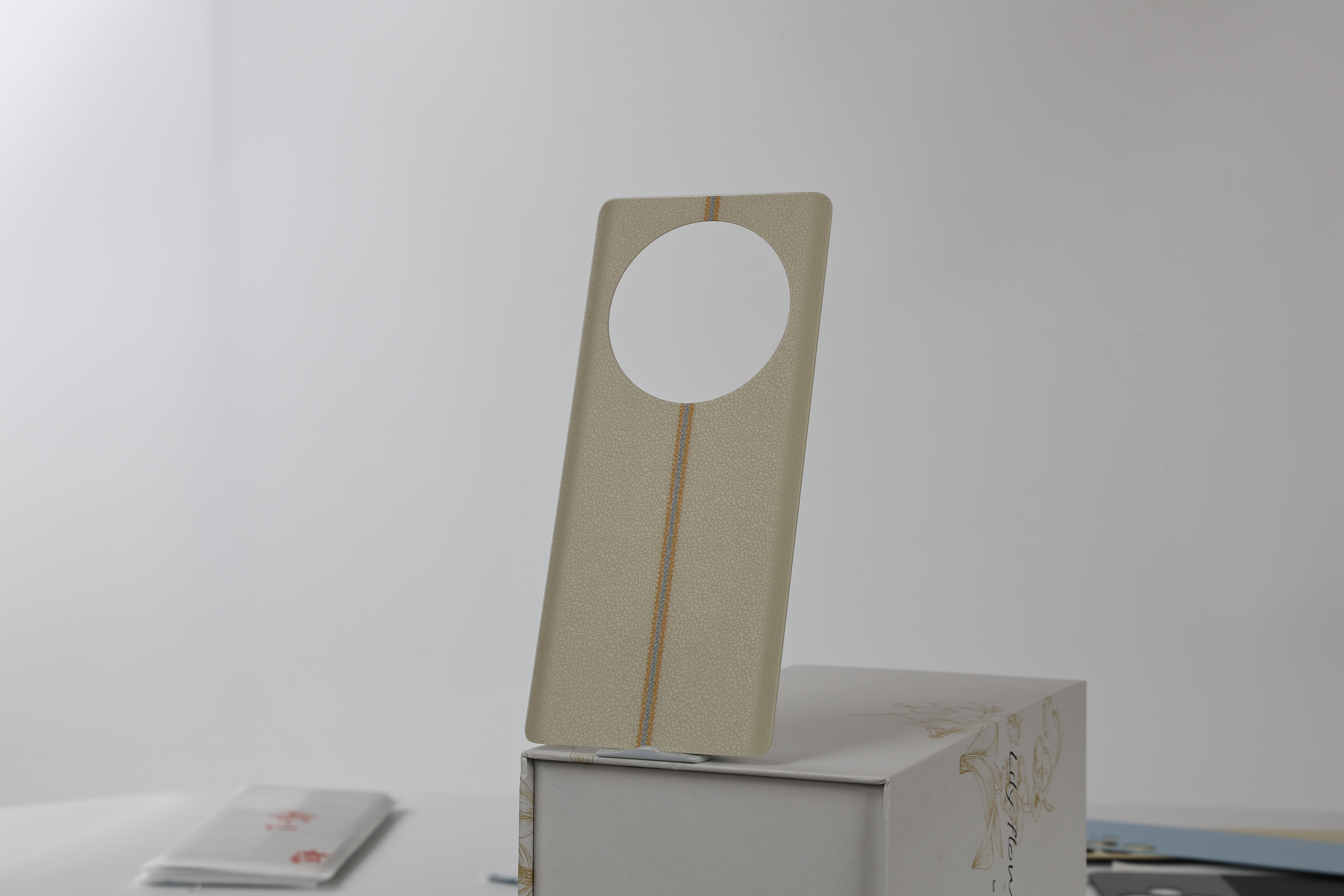
A comprehensive technical guide to the precision engineering, material science, and quality control behind custom smartphone back cover manufacturing — for OEM buyers, product designers, and industry professionals
As smartphone brands compete through design, durability, and user experience, the custom phone back cover has become a defining component of modern devices. More than just a protective panel, it contributes to product aesthetics, supports advanced features like wireless charging, and reinforces brand identity. Behind every high-quality back cover is a precise manufacturing process involving material engineering, precision machining, surface treatment, and rigorous quality control. This article explains how a custom phone back cover is manufactured, from the initial design concept to large-scale production.
Why Choose a Custom Phone Back Cover?
Unlike standard components, a custom phone back cover is designed specifically to match a device's dimensions, functional requirements, and brand image.
Customization allows manufacturers to achieve:
- Unique product appearance
- Brand-specific colors and textures
- Better structural integration
- Support for wireless charging and magnetic accessories
- Improved durability
- Consistent product quality across production batches
For OEM and ODM projects, customization also helps products stand out in an increasingly competitive market.
Step 1: Product Design and Engineering
Every project begins with engineering design.
Manufacturers typically receive:
- 2D engineering drawings
- 3D CAD files
- Industrial design concepts
- Functional specifications
- Material requirements
- Surface finish requirements
During this stage, engineers evaluate:
- Overall dimensions
- Thickness
- Camera cutouts
- Sensor openings
- Logo placement
- Structural strength
- Assembly tolerances
Design optimization helps reduce manufacturing risks before production begins.
Step 2: Selecting the Right Material
Material selection determines both product performance and manufacturing methods.
Common materials include:
Glass
Ideal for premium smartphones because it offers:
- Excellent transparency
- Premium appearance
- Scratch resistance
- Wireless charging compatibility
Popular options include:
Composite Materials
Composite structures combine different materials to balance:
- Weight
- Cost
- Strength
- Design flexibility
Plastic Materials
Polycarbonate (PC) and acrylic materials remain popular for budget devices requiring lightweight construction and lower production costs.
Step 3: Prototype Development
Before mass production, manufacturers produce prototypes to verify:
- Dimensional accuracy
- Surface appearance
- Structural fit
- Color consistency
- Assembly compatibility
- Functional performance
Prototype evaluation allows engineers to identify potential improvements before tooling investments are finalized.
Step 4: Precision Cutting and CNC Machining
For glass phone back covers, raw glass sheets are processed using high-precision equipment.
Typical operations include:
- CNC cutting
- Edge grinding
- Camera hole machining
- Speaker opening machining
- Sensor cutouts
- Precision polishing
Modern CNC systems ensure micron-level dimensional accuracy while minimizing edge defects.
Step 5: Chemical Strengthening
Glass components are chemically strengthened to improve durability.
During this process, glass panels are immersed in a molten salt solution where smaller sodium ions are replaced by larger potassium ions.
This creates compressive stress on the glass surface, resulting in:
- Higher impact resistance
- Better bending strength
- Improved crack resistance
- Longer service life
Chemical strengthening is widely used for premium smartphone back covers.
Step 6: Surface Finishing
Surface finishing determines the final appearance of the phone back cover.
Manufacturers may apply various treatments depending on customer requirements.
AG (Anti-Glare) Finish
Provides:
- Matte appearance
- Reduced fingerprints
- Improved grip
- Premium texture
Gloss Finish
Offers:
- High transparency
- Rich color depth
- Reflective appearance
Frosted Finish
Creates:
- Soft touch
- Elegant appearance
- Better scratch concealment
Textured Finish
Special textures improve:
- Grip
- Product differentiation
- Visual appeal
Step 7: Decorative Printing and Coating
After surface preparation, decorative processes are applied.
Common options include:
- Silk-screen printing
- Gradient color printing
- UV printing
- Laser engraving
- Brand logo printing
Additional functional coatings may include:
- Anti-fingerprint coating
- Oleophobic coating
- Wear-resistant coating
- Anti-scratch coating
These treatments improve both aesthetics and long-term durability.
Step 8: Quality Inspection
Quality control is performed throughout production rather than only at the final stage.
Inspection items typically include:
- Dimensional measurement
- Flatness inspection
- Surface defect inspection
- Color consistency
- Optical clarity
- Scratch testing
- Impact resistance
- Adhesion testing
Automated optical inspection (AOI) systems help identify microscopic defects before products reach customers.
Step 9: Assembly Verification
Before shipment, manufacturers verify compatibility with the smartphone assembly process.
Testing includes:
- Camera alignment
- Button positioning
- Adhesive fit
- Wireless charging performance
- Magnetic accessory compatibility
- Structural assembly
This ensures that the finished back cover integrates seamlessly into the final device.
Step 10: Mass Production and Delivery
Once prototypes are approved, production moves to large-scale manufacturing.
An experienced manufacturer focuses on:
- Stable production capacity
- Consistent quality
- Short lead times
- Reliable supply chain management
- Flexible OEM and ODM services
Efficient production planning helps brands launch products on schedule while maintaining quality standards.
Factors That Affect Manufacturing Quality
Several factors determine the quality of a custom phone back cover.
Material Quality
High-grade raw materials provide better durability and appearance.
Manufacturing Equipment
Advanced CNC machines and automated production lines improve consistency and reduce defects.
Process Control
Strict control over every production stage minimizes dimensional variations and cosmetic imperfections.
Engineering Experience
Experienced engineering teams can optimize designs for both manufacturability and product performance.
How to Choose a custom phone back cover manufacturer
When selecting a manufacturing partner, consider the following:
- OEM and ODM experience
- Precision glass processing capabilities
- In-house CNC machining
- Surface treatment technologies
- Rapid prototyping services
- Quality management system
- Mass production capacity
- On-time delivery record
- Technical support throughout product development
A supplier with integrated manufacturing capabilities can shorten development cycles and reduce communication costs.
Why Choose Tenwinglass?
Tenwinglass specializes in the design and manufacture of high-quality custom phone back covers for global electronics brands.
Our capabilities include:
- Custom Phone Back Covers
- AG Glass Back Covers
- Wireless Charging Back Covers
- Magnetic Phone Back Covers
- anti-drop back covers
- Frosted Glass Back Covers
- Tempered Glass Back Covers
- One-piece Glass Back Covers
- Textured Back Covers
- Back Cover Glass Replacement
With over 10 years of manufacturing experience, advanced production equipment, and a skilled engineering team, we provide complete OEM and ODM solutions—from concept development and prototyping to mass production and quality assurance.
Conclusion
Manufacturing a custom phone back cover requires far more than simply shaping a piece of glass or plastic. It involves careful material selection, precision engineering, advanced processing technologies, and comprehensive quality control to ensure every component meets demanding industry standards.
By partnering with an experienced manufacturer like Tenwinglass, smartphone brands can accelerate product development, maintain consistent quality, and bring innovative designs to market with confidence.
Ready to develop your next custom phone back cover? Contact Tenwinglass today to discuss your project, request samples, or receive a customized OEM/ODM quotation from our engineering team.
Partner with Tenwinglass for Your Custom Back Cover Project
From initial design consultation to mass production delivery, our engineering team provides end-to-end support for custom phone back cover development. Contact us to discuss your requirements.